Skip to content Skip to footer

Maximising Your Recovery After Facelift Surgery: A Comprehensive Guide

Table of Contents

Facelift surgery, or rhytidectomy, is a detailed procedure aimed at reviewing the facial appearance by addressing sagging skin, deep folds, and loss of muscle tone. A successful recovery is essential for achieving optimal results and requires careful adherence to your surgeon’s recommendations. This guide provides a detailed, evidence-based roadmap for recovery, incorporating both physical and psychological aspects, as well as actionable strategies to support healing.

Take our Cosmetic Surgery Quiz

Recovery Phases: What to Expect

Understanding the phases of recovery is crucial to setting realistic expectations and tracking progress. Healing typically occurs in the following stages:

  1. Immediate Post-Operative Phase (0–7 Days):
    • Common experiences: Swelling, bruising, and mild discomfort.
    • Key focus: Rest, incision care, and management of side effects.
    • Activities: Minimal, with light walking to promote circulation.
  2. Early Recovery Phase (8–21 Days):
    • Common experiences: Reduction in swelling and bruising; increased comfort.
    • Key focus: Gradual return to light activities, continued wound care.
    • Activities: Light household tasks, non-strenuous work.
  3. Intermediate Recovery Phase (Weeks 4–6):
    • Common experiences: Residual swelling, maturing scars.
    • Key focus: Resuming moderate physical activities, maintaining skincare.
    • Activities: Gentle exercise, social engagements.
  4. Late Recovery Phase (3–6 Months):
    • Common experiences: Final contouring of facial features, fading scars.
    • Key focus: Long-term maintenance and skin protection.
    • Activities: Normal daily life with ongoing skincare.

Each patient heals at their own pace, influenced by factors such as age, health, and adherence to post-operative guidelines.

CLICK to Download Australia Cosmetic Clinics’ Facial Aesthetics Guide

Pre-Surgical Preparations for a Gentle Recovery

Preparation is critical for supporting a seamless transition to recovery. Implement these strategies well before surgery:

1. Health Optimisation

  • Smoking Cessation: Nicotine reduces blood flow and impairs healing. Quit smoking at least six weeks prior to surgery.
  • Manage Chronic Conditions: Work with your healthcare provider to ensure any existing medical conditions, such as diabetes or hypertension, are controlled.
  • Blood Work and Pre-Op Clearance: Follow your surgeon’s instructions for any required pre-surgical tests to assess fitness for surgery.

2. Creating a Recovery-Friendly Environment

Prepare your home for recovery by arranging:

  • A comfortable resting area with pillows for head elevation.
  • Access to medications, water, snacks, and entertainment.
  • Loose-fitting, button-up clothing to avoid disturbing surgical sites.

3. Pre-Surgical Skincare

  • Cleanse your skin using surgeon-approved products to minimise bacteria on the surface.
  • Avoid harsh treatments like chemical peels or laser therapy in the weeks leading up to surgery.

Immediate Post-Surgical Care

1. Managing Discomfort

Pain is typically mild to moderate and can be effectively controlled with prescribed medications. Non-pharmacological strategies, such as relaxation techniques, may also help.

2. Swelling and Bruising Reduction

  • Cold Compresses: Apply intermittently for the first 48 hours.
  • Hydration: Drink plenty of water to support lymphatic drainage.
  • Head Elevation: Sleep with your head elevated to minimise fluid accumulation.

3. Incision and Wound Care

Follow your surgeon’s specific wound care instructions, which may include:

  • Gentle cleaning of incisions with saline or mild antiseptics.
  • Application of prescribed ointments to promote healing.

Learn more about how long recovery typically takes and what to expect at each stage in our post on Facelift Recovery Time and Downtime.

Nutrition for Healing

Proper nutrition is a cornerstone of recovery. Focus on the following dietary elements:

  1. Proteins:
    • Essential for collagen synthesis and tissue repair.
    • Sources: Lean meats, eggs, fish, and plant-based options like tofu.
  2. Antioxidants:
    • Support immune function and combat oxidative stress.
    • Sources: Berries, spinach, and citrus fruits.
  3. Anti-Inflammatory Foods:
    • Reduce swelling and promote healing.
    • Sources: Fatty fish (salmon, mackerel), turmeric, and ginger.
  4. Hydration:
    • Avoid high-impact exercises until cleared by your surgeon.

Weeks 4–6

  • Gradually reintroduce moderate activities, such as yoga or swimming.
  • Avoid direct sun exposure to protect healing skin.

Post 6 Weeks

  • Most patients can return to their normal exercise routines, including weight training, after this period.

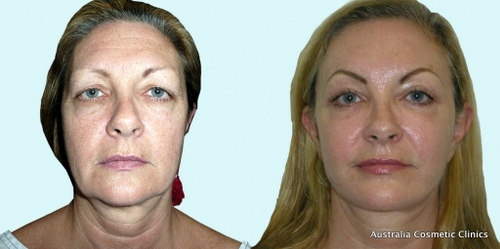
Facelift Surgery Before and After Gallery

Psychological Recovery: Supporting Emotional Well-Being

Healing is not only physical but also psychological. It’s normal to experience a range of emotions, from excitement to anxiety, during recovery. Strategies to support emotional health include:

  1. Setting Realistic Expectations:
    • Understand that results take time to appear. Swelling and bruising can obscure the final outcome for several weeks.
  2. Staying Connected:
    • Lean on friends, family, or support groups for encouragement and perspective.
  3. Mindfulness and Relaxation:
    • Practices like meditation or deep breathing can reduce stress and promote a sense of calm.
  4. Open Communication:
    • Share concerns with your surgeon during follow-up appointments for reassurance.

Long-Term Maintenance: Fostering Lasting Results

Facelift results can last for many years, but ongoing maintenance is essential to protect and prolong the benefits:

  1. Sun Protection:
    • UV rays can damage healing skin and accelerate ageing. Use sunscreen with SPF 30+ daily.
  2. Professional Skincare:
    • Incorporate products like retinoids, hyaluronic acid, and vitamin C serums to enhance skin health and texture.
  3. Healthy Lifestyle:
    • Maintain a balanced diet, stay hydrated, and avoid smoking or excessive alcohol consumption.
  4. Regular Follow-Ups:
    • Attend all scheduled appointments with your surgeon to monitor healing and address any concerns.

Recognising and Addressing Complications

Complications after a facelift are rare but require prompt attention. Be vigilant about the following:

  • Hematoma: A collection of blood beneath the skin that may require drainage.
  • Infection: Symptoms include redness, warmth, fever, or unusual discharge.
  • Nerve Injury: Temporary numbness or weakness is common and typically resolves within a few months.

If you notice any concerning signs, contact your surgeon immediately.

Advanced Recovery Techniques

  1. Lymphatic Drainage Massage:
    • Performed by trained professionals, this technique reduces swelling and enhances fluid movement.
  2. Scar Treatments:
    • Use silicone gels or sheets to soften scars and reduce redness.
  3. Therapies for STo optimise recovery, avoid these mistakes:
  • Resuming Activities Too Soon: Strenuous activities can strain healing tissues.
  • Self-Medicating: Always consult your surgeon before taking any new medications or supplements.
  • Neglecting Follow-Ups: These visits are crucial for ensuring proper healing and addressing issues early.

Facelift recovery is a journey that requires a balance of patience, discipline, and self-care. By adhering to medical guidance and prioritising both physical and emotional well-being, you can achieve the best possible outcome. For tailored advice and support, visit Australia Cosmetic Clinics or consult with your surgeon directly.

This expanded guide adheres to AHPRA guidelines, offering balanced, factual, and educational information to empower patients in their recovery process.

Specialist Plastic Surgeon

Dr. Mark Kohout

Dr. Mark Kohout is a highly qualified specialist plastic and reconstructive surgeon with over 25 years of experience, based in central Sydney. 

Trained in Great Britain, Australia, and the U.S., he co-founded Australia Plastic Surgery. Specializing in breast, genital, and male breast surgeries, he is a certified member of the Australian Society of Plastic Surgeons (ASPS) and the Royal Australian College of Surgeons (RACS). 

Dr. Kohout has appeared in media like The Biggest Loser and has published several articles in his field.

Icon
0
Years of Experience
Icon
0+
Successful Procedures
Icon
0+
Available Treatments
Our Trusted

Accreditations

FRACS new logo
CONTACT US

Ready to enhance your appearance?

Get in Touch


    This website contains imagery which is only suitable for audiences 18+. All surgery contains risks, read more.

    X

    Get Your Facial Aesthetic Guide

    This field is for validation purposes and should be left unchanged.

    Get Your Female Genital Surgery Guide

    This field is for validation purposes and should be left unchanged.

    Get Your Excess Skin Surgery Guide

    This field is for validation purposes and should be left unchanged.