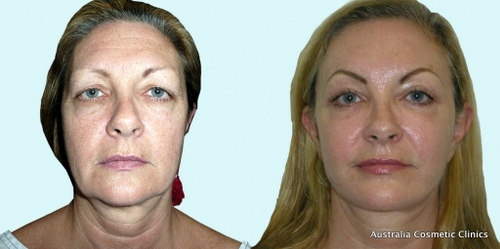
Facelift Recovery Time and Downtime
Maximising Your Recovery After Facelift Surgery: A Comprehensive Guide Dr Mark Kohout – Specialist Plastic Surgeon October 26, 2025 Table of Contents Facelift surgery, or rhytidectomy, is a detailed procedure
Facelift surgery, or rhytidectomy, is a detailed procedure aimed at reviewing the facial appearance by addressing sagging skin, deep folds, and loss of muscle tone. A successful recovery is essential for achieving optimal results and requires careful adherence to your surgeon’s recommendations. This guide provides a detailed, evidence-based roadmap for recovery, incorporating both physical and psychological aspects, as well as actionable strategies to support healing.
Understanding the phases of recovery is crucial to setting realistic expectations and tracking progress. Healing typically occurs in the following stages:
Each patient heals at their own pace, influenced by factors such as age, health, and adherence to post-operative guidelines.
Preparation is critical for supporting a seamless transition to recovery. Implement these strategies well before surgery:
Prepare your home for recovery by arranging:
Pain is typically mild to moderate and can be effectively controlled with prescribed medications. Non-pharmacological strategies, such as relaxation techniques, may also help.
Follow your surgeon’s specific wound care instructions, which may include:
Learn more about how long recovery typically takes and what to expect at each stage in our post on Facelift Recovery Time and Downtime.
Proper nutrition is a cornerstone of recovery. Focus on the following dietary elements:
Healing is not only physical but also psychological. It’s normal to experience a range of emotions, from excitement to anxiety, during recovery. Strategies to support emotional health include:
Facelift results can last for many years, but ongoing maintenance is essential to protect and prolong the benefits:
Complications after a facelift are rare but require prompt attention. Be vigilant about the following:
If you notice any concerning signs, contact your surgeon immediately.
Facelift recovery is a journey that requires a balance of patience, discipline, and self-care. By adhering to medical guidance and prioritising both physical and emotional well-being, you can achieve the best possible outcome. For tailored advice and support, visit Australia Cosmetic Clinics or consult with your surgeon directly.
This expanded guide adheres to AHPRA guidelines, offering balanced, factual, and educational information to empower patients in their recovery process.

Maximising Your Recovery After Facelift Surgery: A Comprehensive Guide Dr Mark Kohout – Specialist Plastic Surgeon October 26, 2025 Table of Contents Facelift surgery, or rhytidectomy, is a detailed procedure

Table of Contents Dr. Mark Kohout is a well-known plastic surgeon based in Sydney, Australia, with more than 25 years of experience in the field of cosmetic surgery. Known for

Dr Mark Kohout – Specialist Plastic Surgeon June 10, 2025 Table of Contents Introduction Cosmetic surgery, such as a facelift, may be an effective way to address your appearance. However,
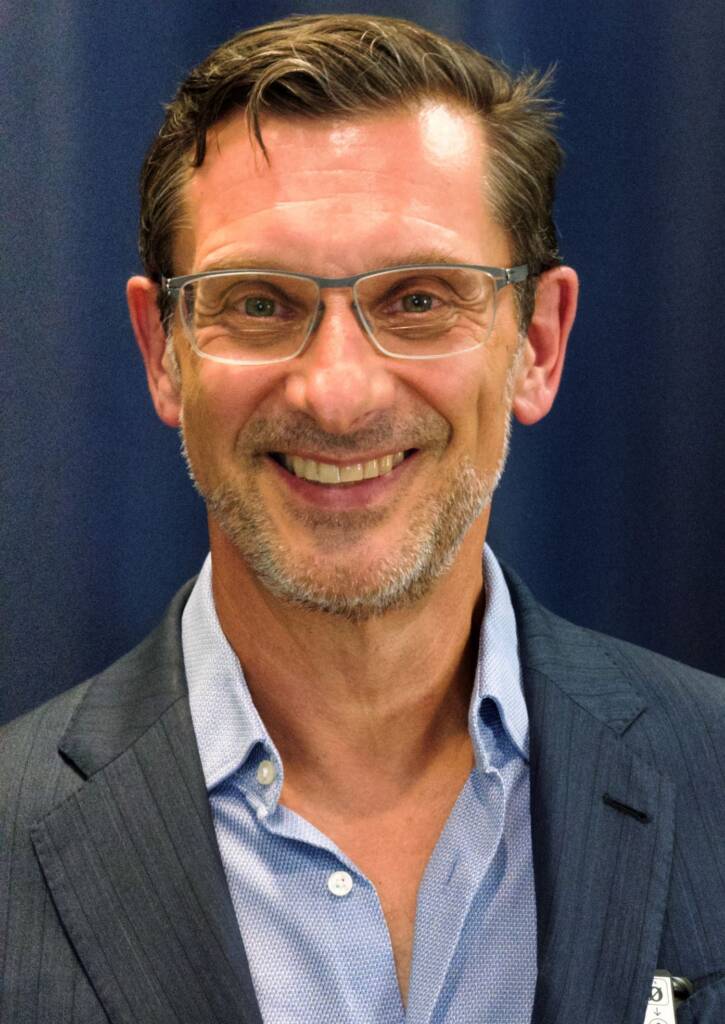
Dr. Mark Kohout (MED0001133000) is a fully qualified specialist plastic and reconstructive surgeon with over 25 years of experience, based in central Sydney.
Trained in Great Britain, Australia, and the U.S., he co-founded Australia Plastic Surgery. Specialising in breast, genital, and male breast surgeries, he is a certified member of the Australian Society of Plastic Surgeons (ASPS) and the Royal Australian College of Surgeons (RACS).
Dr. Kohout has appeared in media like The Biggest Loser and has published several articles in his field.