



Skip to content Skip to footer

Fat Transfer to Breasts

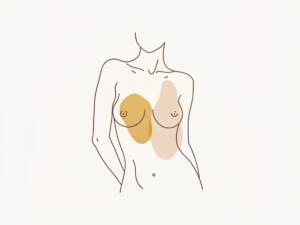
Fat transfer to the breasts is a procedure offered at Australia Cosmetic Clinics for individuals seeking a subtle increase in breast volume using their own body fat. Also referred to as autologous fat grafting to the breast, this approach involves removing fat from another area of the body through liposuction, which is then carefully processed and reinjected into the breast tissue. The goal is to achieve a natural appearance using the patient’s own tissue, without the use of implants.

This method often appeals to those who prefer a more natural alternative to implants, who are looking for modest volume improvement, or who are undergoing breast reconstruction or correction of breast asymmetry. The procedure generally suits individuals who have sufficient fat stores in areas such as the abdomen, thighs or flanks.

Australia Cosmetic Clinics applies a patient-centred and holistic approach, ensuring each treatment is tailored to individual needs, anatomy, and goals. The team is committed to providing clear, medically sound information to help patients make informed decisions about their care.

Take our Plastic Surgery Quiz to find out if you’d be a good candidate and if you are ready for the surgery.

An Overview of Fat Transfer Breast Surgery

This surgical technique combines liposuction with breast volume adjustment. Fat is removed from areas where there is excess, purified through a filtration process, and then carefully injected into the breast tissue to contribute to volume or improve contour.

Fat transfer is generally suitable for those seeking a modest increase in breast size. It does not offer the same degree of enlargement as implants but uses the patient’s own tissue, typically resulting in soft and natural-feeling outcomes.

This procedure is also considered for revision breast surgery or for patients who have had implants removed and wish to maintain some volume. It is performed under general anaesthesia by a Specialist Plastic Surgeon in an accredited hospital.

Suitability for Fat Transfer Breast Surgery

Not all individuals are suitable candidates for fat transfer, and this is assessed during a thorough consultation. Those who may be considered include individuals seeking a small increase in breast volume, those who wish to avoid synthetic implants, and patients who have previously had implants removed.

It may also be appropriate for individuals with mild breast asymmetry or those undergoing autologous breast reconstruction. Adequate fat reserves in other parts of the body are necessary. Other factors influencing suitability include skin quality, breast shape, overall health, smoking habits, and any history of breast surgery or conditions.

Fat transfer is not designed for those seeking a significant increase in size or with advanced breast ptosis. Other procedures such as a breast lift or implants may be more appropriate in such cases.

Why Some Patients Choose This Option

Patients may choose fat transfer to the breasts for personal or medical reasons. Many prefer to avoid implants and instead use their own fat to achieve a modest increase in breast volume. Others may be looking for subtle improvements following breastfeeding, weight changes or ageing.

In reconstructive cases, fat transfer may be used to address volume changes following mastectomy or lumpectomy. It is also considered for revision procedures or after implant removal, offering a natural-feeling alternative.

It is important to understand that results vary depending on individual anatomy and fat retention. Some fat is naturally reabsorbed by the body, and in some cases, a second procedure may be recommended to optimise the outcome.

Realistic Expectations and Surgical Outcomes

Clinical images of patients who have previously undergone fat transfer to the breasts can be reviewed during consultation. These images are intended to support a realistic understanding of what may be achieved.

In accordance with AHPRA advertising guidelines, Australia Cosmetic Clinics does not publish testimonials or before-and-after photos online. Instead, patients are encouraged to have open discussions with their surgeon to explore their goals and anticipated outcomes in a personalised and respectful setting.

CLICK to Download Dr Mark Kohout’s Breast Augmentation Guide

How the Surgery Is Performed

Fat transfer to the breasts includes three main stages:

  1. Harvesting Fat – Fat is removed using liposuction from areas such as the abdomen, thighs, or flanks. The amount removed is based on individual goals and fat availability.
  2. Purifying Fat – The harvested fat is processed using a specialised system to isolate healthy fat cells from fluid and damaged tissue.
  3. Reinjection – The purified fat is injected into the breast using fine cannulas, distributed evenly across different layers to support fat survival.

This procedure generally takes between two to three hours and is performed under general anaesthesia. A compression garment may be applied to the donor areas to assist with healing.

Risks and Considerations

As with any surgical procedure, there are associated risks. These include partial fat reabsorption, resulting in less volume than expected, and possible irregularities such as lumpiness or fat necrosis. Infection, bruising, and swelling may occur at both the donor and injection sites.

In some instances, calcifications may form and become visible on future breast imaging. There may also be a need for revision surgery if the desired outcome is not achieved. Anaesthesia-related risks are also discussed during consultation.

Australia Cosmetic Clinics provides patients with detailed pre- and post-operative guidance and encourages open discussion about any concerns.

The Recovery Process

Most individuals can expect some swelling and bruising within the first two weeks following surgery. Discomfort in both the breasts and liposuction sites is common but manageable with prescribed care. Light activity may resume within several days, with most daily tasks resumed in two to three weeks.

Pressure should not be applied to the breasts during the early healing period. Wearing recommended compression garments and attending follow-up appointments are essential parts of the recovery plan. Each patient is provided with individualised instructions to support a steady and expected recovery.

Maintaining Results Over Time

Long-term care includes follow-up assessments to monitor healing and evaluate outcomes. Final results may take several months to become evident as swelling resolves and the transferred fat stabilises.

Factors such as smoking, weight fluctuations, and general health can influence the longevity of results. Smoking in particular may reduce fat survival and increase risks.

If additional volume is desired, a second procedure may be considered. Ongoing breast health monitoring is advised and should be maintained in accordance with routine screening recommendations.

Procedure Costs and Inclusions in New South Wales

The total cost of fat transfer to the breasts varies based on individual surgical planning. Contributing factors include the number of liposuction areas, whether the fat transfer is combined with another procedure, theatre and anaesthetic time, and hospital-related fees.

Following consultation, each patient is provided with a personalised quote that includes the surgeon’s fees, anaesthetist charges, hospital facility costs, post-operative reviews, and any required garments. All surgeries are conducted in accredited facilities by experienced medical teams.

This procedure is generally considered cosmetic and is not typically eligible for Medicare or private health rebates. In specific circumstances involving medical reconstruction, eligibility for item numbers may be discussed.

Australia Cosmetic Clinics maintains a commitment to transparent pricing and encourages patients to ask questions and fully understand the financial aspects of care before proceeding.

GALLERY

Before & After

Note: Each surgical procedure produces unique outcomes influenced by factors such as body composition, skin tone, laxity, age, and genetics. The before-and-after photographs displayed are of actual patients and are provided for informational purposes only. These outcomes are specific to the individuals shown and may not be representative of all patients. Surgical procedures carry risks, and results may vary. A consultation with your surgeon will provide more personalised information about potential outcomes and risks.

Fat Transfer to the Breasts FAQs

Can the transferred fat be affected by future weight changes?

Yes, transferred fat behaves like fat elsewhere in the body. Significant weight gain or loss can affect the volume and shape of the breasts over time.

Is it possible to feel the transferred fat in the breasts?

In most cases, the fat integrates well with the surrounding tissue and feels soft. Some patients may notice subtle texture differences during the healing phase, which usually settle over time.

Can fat be taken from more than one area of the body?

Yes, fat can be harvested from multiple areas if needed. This is often done when more volume is desired and one donor site does not provide enough fat.

Does this procedure affect breastfeeding in the future?

The procedure typically does not interfere with the milk ducts or glands. However, every patient is different, and this is something to discuss with the surgeon during consultation.

What happens if the body reabsorbs too much of the transferred fat?

Some reabsorption is expected. If the volume achieved is less than anticipated, a second fat transfer procedure may be considered to optimise results.

Can this procedure correct implant-related complications?

In some cases, yes. Fat transfer may be used to address contour irregularities or volume loss after implant removal or revision, though it may not be suitable for all situations.

Is there a limit to how many times fat transfer can be done?

There is no strict limit, but repeated procedures depend on available donor fat, individual healing, and desired outcomes. Clinical judgment and safety always guide decisions.

Are the results permanent?

The fat cells that survive the transfer are generally long-lasting. However, the final result can evolve over time due to factors like ageing, hormonal changes, and lifestyle.

Can this technique improve skin quality on the breasts?

Some patients report a subtle improvement in skin texture, potentially due to the regenerative properties of fat. However, this is not the primary goal of the procedure.

Is there a minimum amount of fat needed to be a candidate?

Yes, a certain volume of fat is required for harvesting. Individuals with very low body fat may not be suitable candidates and may be advised to explore other options.

Medical References

Further Reading

Booking a Consultation and Moving Forward

Those considering fat transfer to the breasts are invited to attend a consultation with one of Australia Cosmetic Clinics’ Specialist Plastic Surgeons. During this appointment, the patient’s goals, health history and physical assessment are carefully reviewed to determine suitability.

The consultation includes discussion of available fat donor areas, surgical steps, and recovery timelines. Patients are given written information, clinical images, and an itemised quote to take home. There is no obligation to proceed immediately. Patients are encouraged to reflect on their options before making any decisions.

Once a patient chooses to go ahead, the ACC team provides full pre-operative preparation and ongoing guidance throughout the entire process. From the first appointment to final follow-up, patients receive consistent, experienced, and professional care.

Appointments can be arranged by contacting Australia Cosmetic Clinics directly. The team welcomes all enquiries and is dedicated to supporting ethical, safe, and patient-focused outcomes.

Do you have questions?

Reach out to us...

Get in Touch

This field is for validation purposes and should be left unchanged.
Name
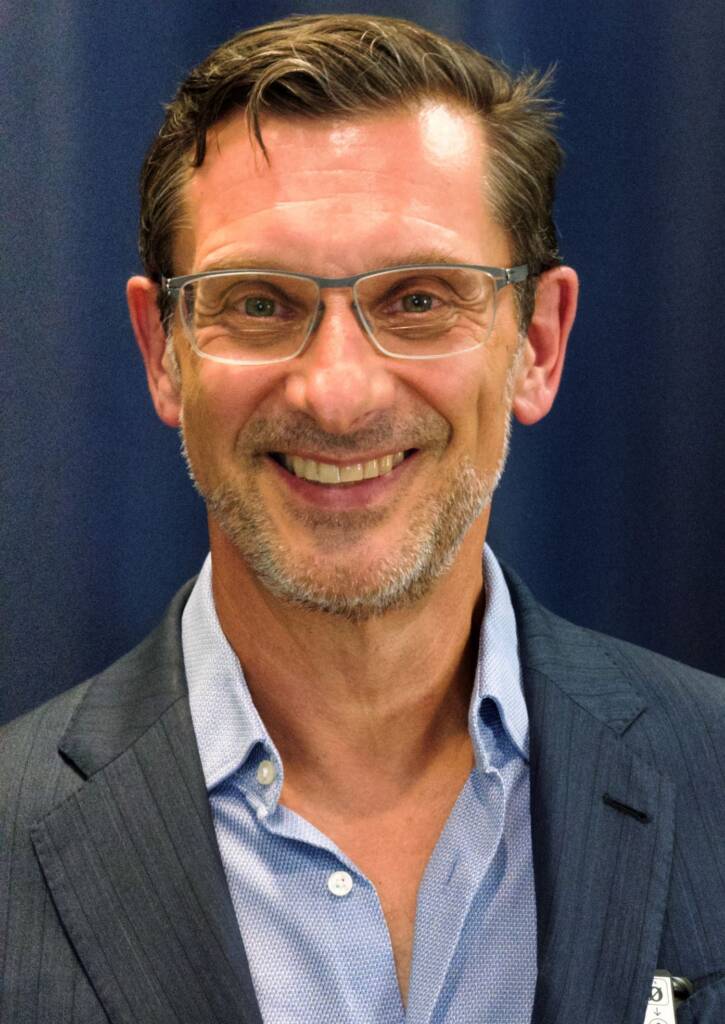
Dr Mark Kohout
Specialist Plastic Surgeon

Dr. Mark Kohout

Dr. Mark Kohout (MED0001133000) is a fully qualified specialist plastic and reconstructive surgeon with over 25 years of experience, based in central Sydney. 

Trained in Great Britain, Australia, and the U.S., he co-founded Australia Plastic Surgery. Specialising in breast, genital, and male breast surgeries, he is a certified member of the Australian Society of Plastic Surgeons (ASPS) and the Royal Australian College of Surgeons (RACS). 

Dr. Kohout has appeared in media like The Biggest Loser and has published several articles in his field.

Icon
0
Years of Experience
Icon
0+
Surgical Procedures
Icon
0+
Available Treatments
Our Authorised

Accreditations

fracs

This website contains imagery which is only suitable for audiences 18+. All surgery contains risks, read more.

X

Get Your Breast Augmentation Guide

This field is for validation purposes and should be left unchanged.

Get Your Female Genital Surgery Guide

This field is for validation purposes and should be left unchanged.

Get Your Excess Skin Surgery Guide

This field is for validation purposes and should be left unchanged.
Make an Enquiry