Recovery After Liposuction Sydney
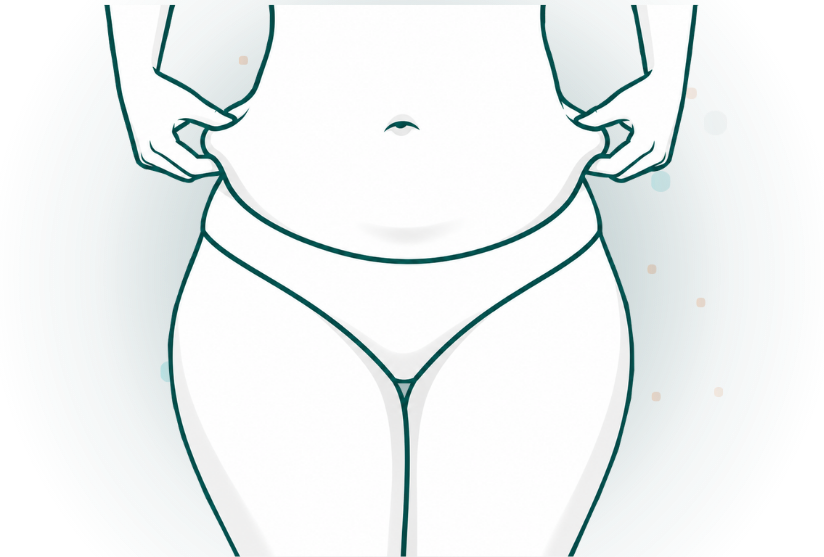
Recovery After Liposuction: What to Expect
Recovery is an important part of the liposuction treatment process. Healing timelines vary according to the areas treated, the liposuction technique used, the extent of surgery and individual patient factors. Dr Mark Kohout, Specialist Plastic Surgeon in Sydney, provides post-operative instructions and follow-up care based on each patient’s procedure and clinical circumstances.
This page provides practical, clinically focused information about recovery after liposuction, including typical healing stages, aftercare, activity, compression garments and warning signs that may require medical review. Recovery varies between patients and depends on the treatment area, technique, extent of surgery and individual health factors.
What to Expect Immediately After Surgery
The first 24 to 48 hours after liposuction are early recovery period. During this time, you may experience:
- Swelling and Bruising: These are normal responses to surgery and will gradually subside over the coming weeks.
- Mild Discomfort: This can be managed with prescribed pain relief.
- Fatigue or Drowsiness: Anaesthesia and the body’s response to surgery can leave you feeling tired. Rest is essential.
It’s recommended to have a caregiver or support person to assist with mobility, meal preparation, and other daily tasks during these initial days.
Overview of the Procedure
Liposuction involves removing fat deposits from targeted areas of the body to alter shape and modify balance. While the procedure itself is well-established, recovery requires careful adherence to aftercare protocols.
Some challenges that may arise during recovery include swelling, the need for compression garments, and temporary changes in sensation in the treated areas.
Detailed Recovery Steps
✓ Week 1 After Surgery
- Managing Discomfort and Swelling: Pain relief medications will be prescribed to help manage initial soreness, and a compression garment will assist in reducing swelling.
- Prioritising Rest: Keeping activity minimal and avoiding any strenuous tasks will aid the healing process. Gentle walking around the house can promote circulation.
- Medications: Follow Dr Kohout’s instructions for antibiotics, if prescribed, to prevent infection, and any other medications provided.
✓ Week 2 After Surgery
- Gradual Return to Light Activities: By the second week, you may resume light activities such as desk work or short walks, but avoid anything too physically demanding.
- Care for Incisions: Maintain proper hygiene and follow instructions for dressing changes to minimise infection risks.
- Follow-Up Appointment: This is typically when Dr Kohout will assess healing progress and address any concerns.
✓ Weeks 3-4 After Surgery
- Increasing Normal Activities: You may start to reintroduce more of your routine, including light exercise as advised by Dr Kohout.
- Addressing Lingering Symptoms: Some patients may still feel slight tightness or mild discomfort in the treated areas, which should diminish over time.
✓ Weeks 5-6 After Surgery
- Return to Work and Gentle Exercise: Many patients can resume their full work schedule and engage in light fitness routines.
- Visible Results: By this time, you’ll notice more significant changes as swelling continues to subside and the treated areas take on their new shape.
Take our Plastic Surgery Quiz
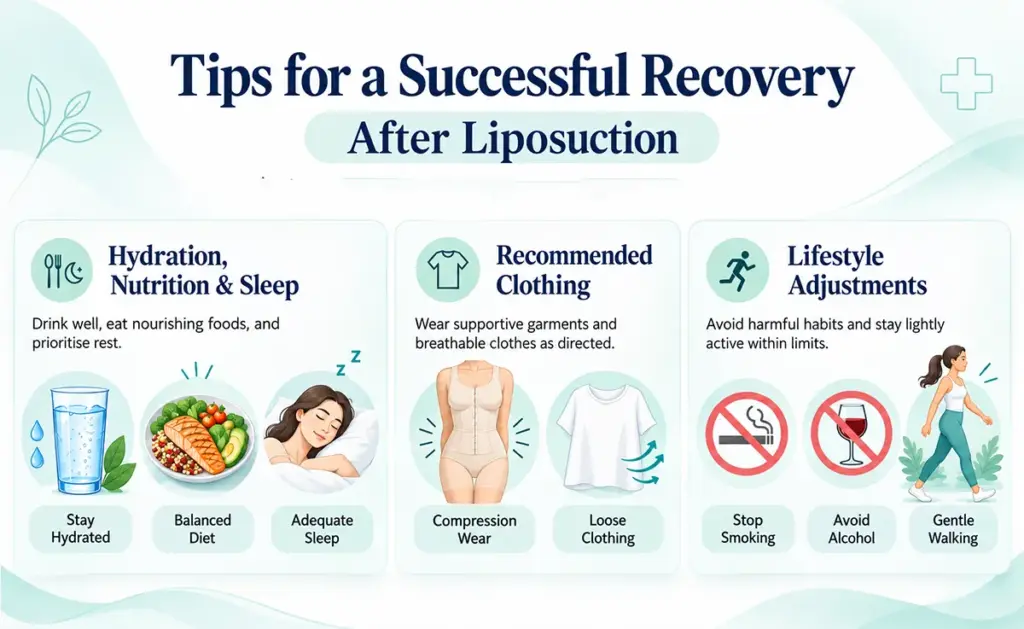
Tips for a Successful Recovery
An uneventful recovery after liposuction involves taking proactive steps to care for your body and mind. Here are some practical tips to support your healing process:
✓ Hydration, Nutrition, and Sleep
- Stay Hydrated: Maintain adequate hydration unless you have been given different medical advice. Hydration supports general health during recovery.”
- Eat a Balanced Diet: Include foods rich in vitamins, minerals, and proteins to fuel your body’s recovery. Focus on fresh fruits, vegetables, lean protein, and whole grains.
- Get Adequate Sleep: Rest is crucial for healing. Aim for 7–9 hours of quality sleep per night and consider elevating your legs or torso to aid with swelling.
✓ Recommended Clothing
- Compression Garments: Wear these as directed to manage swelling, promote shape, and support healing.
- Loose Clothing: Opt for breathable, non-restrictive clothing during the recovery period to avoid irritation to the treated areas.
✓ Lifestyle Adjustments
- Quit Smoking: Smoking impairs circulation and slows the healing process. If you smoke, quit before and after surgery to facilitate your recovery.
- Avoid Alcohol: Limit alcohol consumption during recovery, as it can interfere with medications, hydration levels and healthy sleep patterns.
- Stay Active (Within Limits): Gentle walking helps improve circulation and prevents complications such as blood clots, but avoid strenuous activities until cleared by Dr Kohout.
Recovery Kit Checklist
Prepare a recovery kit to make the process more comfortable and stress-free:
- Pillows: Use for comfortable positioning and support, especially if sleeping on your back is recommended.
- Ice Packs: Help manage swelling and provide soothing relief to treated areas.
- Scar Cream or Silicone Sheets: Use as directed to address scarring once incisions have healed.
- Compression Garments: We recommend you have a backup garment to maintain consistent use.
- Easy-to-Wear Clothing: Loose outfits with soft fabrics are ideal during this period.
- Medications: Keep prescribed pain relief and antibiotics readily available.
- Pre-Prepared Meals: Stock up on nourishing, easy-to-heat meals for convenience.
Preparing Your Home for Recovery
Before your surgery, make adjustments to your home to simplify recovery:
- Meal Preparation: Prepare meals in advance or stock up on ready-made, healthy options to minimise time spent in the kitchen.
- Set Up a Rest Area: Arrange a comfortable space with pillows, blankets, and essential items within reach, such as water, medication, and entertainment.
- Minimise Household Tasks: Delegate or plan ahead for cleaning, child care, or pet care to focus on healing.
Emotional Recovery Post-Surgery
The emotional aspect of recovery is just as important as the physical.
Adjusting to Body Changes
- Allow Time: Your body needs time to settle into its new shape. Be patient and avoid making judgments about results until swelling has fully subsided.
- Celebrate Small Milestones: Acknowledge progress throughout your recovery, no matter how small.
Managing Stress and Anxiety
- Seek Support: Stay connected with friends, family, or support groups to share your experiences and feelings.
- Practice Relaxation Techniques: Activities such as meditation, deep breathing, or light reading can help ease anxiety.
- Talk to Dr Kohout: If you have concerns or doubts, Dr Kohout and his team are available to provide reassurance and guidance.
Do’s and Don’ts During Recovery After Liposuction
Do’s
- Follow Instructions: Adhere to all post-operative instructions provided by Dr Kohout to assist with optimal healing.
- Wear Compression Garments: Wear compression garments as directed by your surgical team.
- Gentle Movement: Incorporate light walking to improve circulation and reduce the risk of blood clots.
- Stay Hydrated: Proper hydration supports tissue repair and recovery.
- Maintain a Balanced Diet: Maintain a balanced diet with adequate protein and nutrients to support general health during recovery.
Don’ts
- Avoid Heavy Lifting: Refrain from strenuous physical activities or lifting heavy objects for the first 4–6 weeks.
- Protect Treated Areas from Sunlight: Direct exposure to sunlight can interfere with healing and increase the risk of scarring.
- Do Not Smoke: Smoking impairs blood flow, delays the healing process and may lead to wound dehiscience.
- Skip Appointments: Regular follow-ups with Dr Kohout are vital to monitor progress and address any concerns.
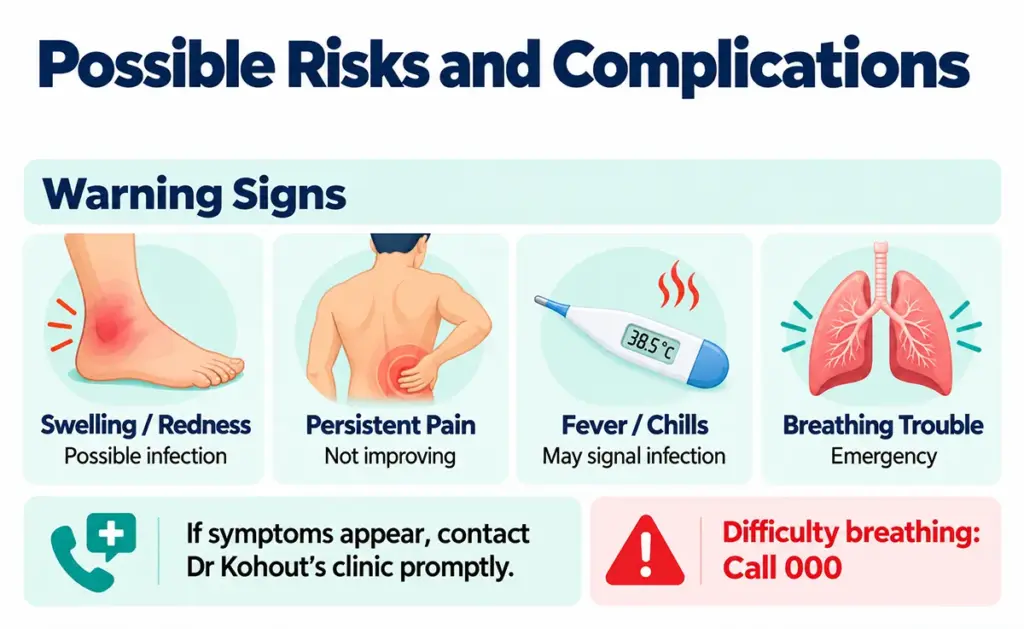
Possible Risks and Complications
While many patients recover without issues, it’s essential to know the signs that may indicate complications:
Warning Signs
- Excessive Swelling or Redness: This may indicate infection or fluid retention.
- Persistent Pain: Pain that does not improve with prescribed medication should be reported.
- Fever or Chills: These could signal an infection and require immediate attention.
If you notice any of these symptoms, contact Dr Kohout’s clinic promptly for advice and support.
- Difficulty Breathing: Consider this is a medical emergency warranting urgent attention – Call 000 – do not hesitate.
Long-Term Care for Optimal Results
Liposuction results are designed to endure when paired with a healthy lifestyle. Here’s how you can maintain and enjoy your results:
- Skincare Routine: Keep the skin hydrated and protected with appropriate moisturisers and sunscreen.
- Weight Management: Maintaining a stable weight is key to preserving your new results.
- Consistent Follow-Up Visits: Regular check-ins with Dr Kohout allow for monitoring and addressing any concerns.

FAQs About Recovery After Liposuction
How long does the swelling last?
Swelling is a normal part of recovery and can last several weeks.
Most swelling subsides within 6–8 weeks, but minor residual swelling may persist for up to 6 -12 months.
When can I resume wearing normal clothing?
While you’ll need to wear a compression garment for 4–6 weeks to support healing, you can begin wearing looser clothing during this time.
Tight-fitting clothes should be avoided until you’re fully healed.
What if I feel lumps or uneven areas under my skin?
It’s common to feel slight lumpiness in the treated areas during the healing process.
This usually resolves as swelling decreases and the skin adjusts to its new shape.
Will I have visible scars?
Liposuction incisions are small and placed strategically to minimise visibility.
With proper aftercare, scars typically fade over time, but it’s important to use sun protection to avoid darkening of scar tissue.
Can I sleep on my side after surgery?
For the first few weeks, sleeping on your back is recommended to avoid putting pressure on the treated areas.
Dr Kohout will advise when it’s safe to return to your normal sleeping position.
Is numbness in the treated areas normal?
Yes, temporary numbness or reduced sensation in the treated areas is normal and usually resolves within a few weeks to months as the nerves heal.
How soon can I shower after liposuction?
In many cases, patients can shower 24–48 hours after surgery.
However, it’s important to follow specific instructions about caring for your incisions and avoiding soaking in baths or pools until fully healed.
What should I do if I gain weight after liposuction?
While fat cells removed during liposuction will not return, gaining weight can lead to fat deposits in untreated areas.
Maintaining a stable weight through a healthy diet and regular exercise is key to preserving your results.
Are there any supplements or vitamins I should avoid?
Yes, certain supplements like vitamin E, fish oil, and herbal remedies can increase the risk of bleeding.
Always inform Dr Kohout of any supplements you’re taking and follow his guidance.
Can I combine liposuction with other procedures?
Combining procedures is possible in some cases, but it depends on your overall health and goals.
Dr Kohout will provide personalised advice during your consultation.
What if I’m not happy with my results?
It’s important to allow enough time for full recovery before assessing final results.
If you have concerns after several months, discuss them with Dr Kohout, who will evaluate the outcomes and provide recommendations if needed.
Medical References
- Liposuction Overview and Recovery Guidelines: This article discusses the importance of early ambulation and other recovery practices following liposuction. Liposuction – PMC – PubMed Central
- Best Practices for Recovery: This source offers practical tips for augmenting recovery, including dietary recommendations and activity restrictions. Best Liposuction Recovery & Tips | Dr. Aghayan – Après Plastic Surgery
- Liposuction Techniques and Considerations: A comprehensive overview of liposuction techniques, including recovery implications. Liposuction Techniques: Background, Pathophysiology, Presentation
Recovery After Liposuction: Key Points
Recovery after liposuction is a process unique to each patient. With proper care, patience, and adherence to Dr Kohout’s guidelines, you can achieve your desired outcomes. Open communication with Dr Kohout is essential throughout the process, aiding you to feel supported and well-informed every step of the way.
For information about liposuction procedures, recovery considerations or arranging a consultation with Dr Mark Kohout, explore the related resources on Australia Cosmetic Clinics or contact the clinic.
Related Liposuction and Recovery Resources
Liposuction Procedure
by Dr Mark Kohout
Liposuction Techniques
Dr Mark Kohout
Swelling and Bruising After Liposuction
Dr Mark Kohout
Risks and Complications of Plastic Surgery
Info Page
Chest Liposuction
Dr Mark Kohout
What's Next?
Whether you are ready for a professional evaluation or just have a quick question, we’ve made it easy to connect with our team. Choose the option that best fits your needs below.
Book your Consultation
Take the first step toward your goals by filling out the brief form below. This information helps us understand your specific needs so we can make the most of our time together during your session. Once you submit your details, a member of our team will review your request and reach out shortly to confirm your appointment.
Patient Photo Assesment
Reviewing photographs may help the clinical team understand the areas you would like to discuss and prepare for your consultation. A photo assessment does not replace an in-person clinical examination or determine suitability for surgery.
Tips for Uploading Photos
ASK A FRIEND
Friend takes photo
GOOD LIGHTING
Plain wall, bright light
ALL ANGLES
Front / sides/ 45°
CLEAR & SHARP
No portrait mode
SEND ORIGINALS
No edits or compression
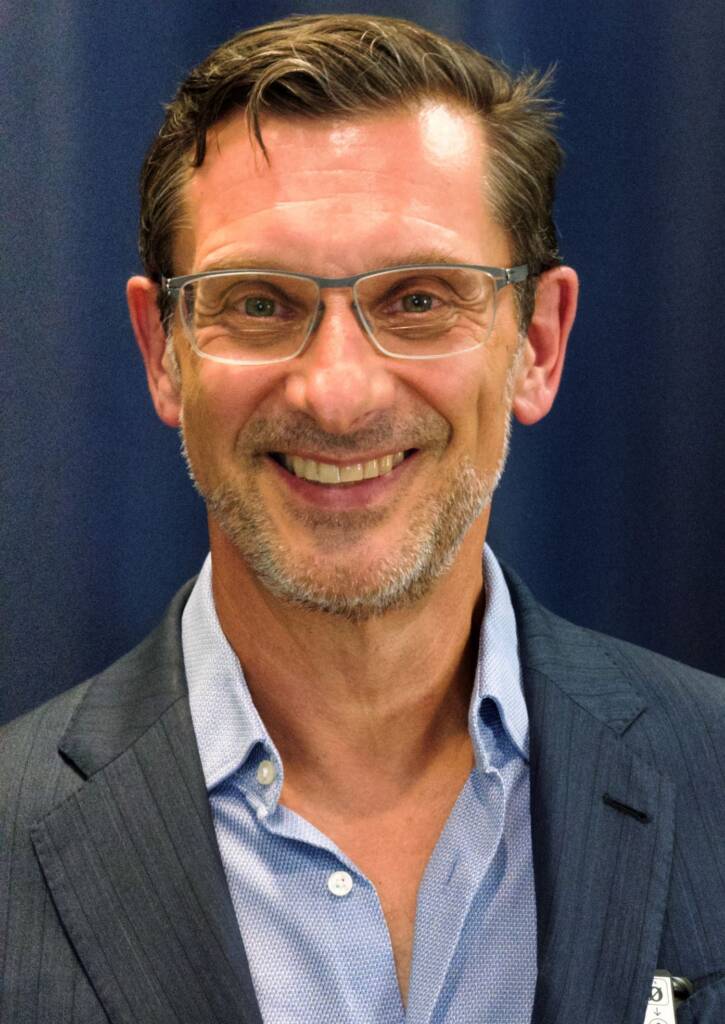
Dr. Mark Kohout
Dr. Mark Kohout (MED0001133000) is a fully qualified specialist plastic and reconstructive surgeon with over 25 years of experience, based in central Sydney.
Trained in Great Britain, Australia, and the U.S., he co-founded Australia Plastic Surgery. Specialising in breast, genital, and male breast surgeries, he is a certified member of the Australian Society of Plastic Surgeons (ASPS) and the Royal Australian College of Surgeons (RACS).
Dr. Kohout has appeared in media like The Biggest Loser and has published several articles in his field.



Accreditations