Skip to content Skip to footer

Recovery After Stomach Liposuction

Table of Contents

Stomach liposuction is a commonly requested cosmetic procedure for individuals seeking to address localised fat deposits that have not responded to diet and exercise. Recovery and aftercare are important parts of the treatment process and may influence each patient’s experience and how long their results may be maintained.
At Australia Cosmetic Clinics, located centrally in Sydney, Dr Mark Kohout, a Specialist Plastic Surgeon with decades of training and clinical practice in Australia, the UK, and the U.S., works closely with patients to help them understand and prepare for every phase of the journey. From first consultation to final results, Dr Kohout supports patients so they are not only informed but supported in a way that aligns with their individual health profiles and lifestyle needs.

This blog offers a detailed walkthrough of the stomach liposuction recovery process, covering what patients typically experience, what to avoid, and how Dr Mark Kohout’s personalised care approach in Sydney helps optimise the healing period for each person.

CLICK to
Download
Dr Mark Kohout’s Liposuction Guide

What Is Stomach Liposuction Recovery?

Recovery from stomach liposuction refers to the biological, structural, and functional restoration that takes place after fat removal from the abdominal region. This healing phase allows the skin to adjust, the tissues to re-integrate, and the body to respond to its new shape. It involves more than just downtime – it requires thoughtful planning, cooperation with post-operative care, and active participation by the patient.

The recovery timeline usually unfolds over several stages, beginning with the immediate post-operative period and culminating in the months where residual swelling subsides and final aesthetic results settle. Each stage presents specific goals and considerations that patients should understand.

In Dr Mark Kohout’s Sydney practice, recovery is never approached with a generic plan. Instead, he develops tailored care instructions based on factors such as the volume of fat removed, skin quality, the patient’s general health, and any concurrent procedures. This approach reduces complications, promotes tissue healing, and enhances overall comfort, reinforcing Dr Kohout’s commitment to meticulous and compassionate surgical care.

Take our Plastic Surgery Quiz to find out if you are an appropriate candidate and if you are ready for cosmetic surgery.

The First 72 Hours After Surgery

The immediate period following surgery often determines the trajectory of the entire recovery. During these first 72 hours, patients typically experience a range of normal inflammatory responses including moderate swelling, bruising, and fluid leakage from the small incisions. These effects are managed proactively through compressive support and careful instruction on movement and wound care.

Some patients may feel pressure or tightness in the treated area, especially when transitioning from lying to standing positions. Mild discomfort may be present and is generally managed with oral medication prescribed prior to discharge. Sleeping slightly elevated and limiting motion around the abdomen can help minimise stress on healing tissues.

Importantly, Dr Mark Kohout ensures that patients are not left to navigate this period alone. His Sydney-based surgical team remains available during these critical hours to provide reassurance, answer questions, and support patient comfort. The goal is not only to monitor for signs of proper healing but also to manage anxiety during what can be a sensitive time physically and emotionally.

Week One: Adjusting to Early Healing

By the end of the first week, the body begins adapting more fully to the surgical changes. Although swelling and tightness may persist, many patients start to regain a sense of normalcy. However, it is vital to avoid interpreting this early improvement as a signal to resume normal activities. Recovery is progressive, and premature exertion can delay healing or impact results.

Patients are advised to avoid bending, heavy lifting, or high-energy tasks. It is also essential to remain consistent with compression garment use, which continues to assist with swelling control and re-shaping support. Most garments are designed to be breathable and discreet, making them easy to wear throughout daily activities.

At this stage, emotional adjustment is equally important. Patients may be concerned by bruising, uneven swelling, or visible irregularities that are not yet representative of final results. These perceptions are entirely normal, and Dr Mark Kohout encourages open communication with his patients in Sydney during this time. Scheduled reviews during week one allow him to monitor progress and answer questions, helping patients remain confident in the process ahead.

Weeks 2–4: Returning to Routine Gradually

As the second week approaches, most patients experience a noticeable improvement in energy, comfort, and mobility. The bruising often begins to fade, and swelling, while still present, becomes more localised and manageable. These weeks form a critical transition point between rest and routine, and careful pacing is essential.

Returning to work is often possible – especially for patients whose roles are desk-based or allow flexible movement – but tasks involving physical strain, standing for long hours, or heavy lifting should still be avoided. Likewise, exercise can be resumed cautiously with activities like walking, stretching, or gentle cycling. All activity levels are reviewed and cleared on a case-by-case basis by Dr Mark Kohout, who assesses tissue response and overall healing before making recommendations.

Although the body begins to settle into its new shape during this period, it’s important to remember that full aesthetic outcomes are still forming. Dr Kohout advises patients in Sydney to remain consistent with garment wear and to attend all mid-recovery reviews, where progress is documented, and any adjustments to the care plan are made based on real-time healing observations.

Long-Term Recovery (1 - 3+ Months)

The final phase of recovery brings increasing clarity in results. By the end of the third month, swelling has usually subsided significantly, allowing patients to see the outcomes of their surgery more clearly. At this stage, many return to their full exercise routines and feel comfortable in fitted clothing that may have previously been avoided.

It is during this stage that patients may choose to focus on enhancing the appearance of the surgical site. Scar care becomes more relevant as incision lines mature and flatten. Silicone-based products or scar management regimes may be introduced depending on the patient’s skin type and healing characteristics.

Although the majority of visible healing occurs by 3–4 months, Dr Mark Kohout explains to patients that minor refinements in skin quality and shape may continue over six months or longer. Individual tissue behaviour, lifestyle habits, and genetic healing patterns all influence the long-term result.

The recovery plan remains active during this phase, and patients at Dr Kohout’s Sydney clinic are encouraged to maintain regular check-ins, especially if questions arise or further refinement is being considered in the future.

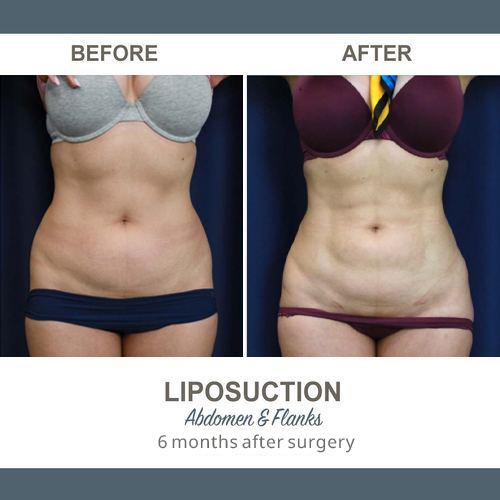
Abdomen Liposuction Before and After Photos

All photographs have been used with the patient’s express written permission. The information on this site is not intended to replace expert medical advice. There are risks associated with any surgical or invasive operation. You should obtain the advice of a licensed health professional before continuing.

Factors That Influence Recovery Experience

Stomach liposuction recovery is not identical for everyone. Recovery length and comfort depend on several overlapping variables that must be assessed before and after surgery. These include age, skin elasticity, overall body composition, medical history, and lifestyle factors such as smoking or alcohol use.

Younger patients with good skin tone often experience faster healing and better retraction of skin following fat removal. Conversely, those with reduced skin elasticity may experience a slower adaptation period. Similarly, individuals with pre-existing health conditions may require closer monitoring and longer rest periods to avoid complications.

In his consultations, Dr Mark Kohout explores these factors thoroughly. He believes in setting honest, realistic expectations so patients understand how their unique profile might influence the pace and quality of their recovery. At his Sydney practice, this thorough approach ensures that each patient’s recovery plan is not only safe but achievable within the context of their personal lifestyle.

The Role of Personalised Aftercare at Australia Cosmetic Clinics

Effective aftercare is not an optional add-on – it is a central component of any successful cosmetic procedure. At Australia Cosmetic Clinics, recovery is approached with the same care and precision as the surgery itself. Dr Mark Kohout, a Specialist Plastic Surgeon with a reputation for detail-oriented care, designs every aftercare plan around the individual patient’s surgery, recovery goals, and daily routine.

This includes clear guidance on how to use garments, how to clean and inspect incisions, and when to reintroduce different levels of activity. The clinic’s nursing staff are trained to respond quickly and thoroughly to patient questions, providing real-time feedback and reassurance at all stages of recovery.

Patients are not expected to self-manage complex healing needs. Dr Kohout believes that recovery should be collaborative. He personally oversees each stage of follow-up in his Sydney practice, maintaining continuity and ensuring that no detail is missed. This hands-on approach gives patients the reassurance they need to move forward with trust and clarity.

FAQs About Stomach Liposuction Recovery

Will I feel different sensations in my stomach area as I recover, and are they normal?

Yes, it’s common to experience temporary numbness, tingling, or a “tight” sensation in the abdominal area after stomach liposuction. These sensations often change as nerves heal and tissues adjust. Some areas may feel firmer or more sensitive to touch, especially in the first few weeks. Dr Mark Kohout advises patients that these sensations are part of the healing process and generally improve over time.

How will I know if swelling is part of normal healing or a sign of something more serious?

Swelling is expected and can fluctuate during the first few weeks. However, if the swelling becomes sudden, asymmetrical, or is accompanied by warmth, redness, or increasing discomfort, it should be reviewed promptly. Patients of Dr Mark Kohout in Sydney are encouraged to attend scheduled reviews and reach out directly to the clinic with any concerns. Early intervention helps prevent complications.

Can I sleep on my stomach after liposuction, and if not, when is it safe to do so?

Sleeping on your stomach is discouraged during the early recovery period, especially in the first few weeks. Doing so may place unnecessary pressure on healing tissues and contribute to discomfort or swelling. Dr Kohout typically recommends back-sleeping, slightly elevated, for optimal circulation. The return to stomach-sleeping is assessed individually during follow-up appointments.

Is it normal to feel emotionally low or uncertain during the early stages of recovery?

Yes, it is entirely normal to experience a temporary emotional dip after surgery. This can be related to physical fatigue, changes in body image, or simply the stress of healing. Many patients report feeling more vulnerable in the first one to two weeks, particularly before visible results emerge. Dr Mark Kohout and his team provide compassionate support throughout the recovery process, helping patients manage both physical and emotional responses.

Will my posture or core strength feel different after surgery, and should I adjust my daily habits?

Some patients do notice a temporary change in posture or abdominal tightness following stomach liposuction, particularly if muscle separation or prior abdominal weakness existed. While liposuction doesn’t address muscle repair, the change in contour can affect core perception. Dr Kohout provides guidance on gentle reactivation of core stability during recovery, with referrals to physiotherapists or exercise specialists if needed.

How do I manage the appearance of asymmetry or uneven swelling in the first few weeks?

Mild asymmetry or uneven swelling is a common part of the recovery process and doesn’t typically reflect the final outcome. The body heals at its own pace, and fluid distribution may temporarily exaggerate one side or area. Dr Mark Kohout’s follow-up reviews in Sydney include careful assessment of these changes, with reassurance and adjustments as needed. Final results are usually visible after swelling subsides fully.

What signs indicate that I might be overexerting myself during recovery, even if I feel fine?

Overexertion can occur even without pain. Indicators include new or increased swelling, prolonged soreness after light activity, fatigue, or tightness that worsens toward the end of the day. Patients often feel more energetic during weeks two to four but must remain cautious. Dr Kohout advises increasing activity gradually and recommends reporting any setbacks or symptoms that seem unusual for prompt review.

Medical References
  • Liposuction: Recovery and Aftercare – Ohio State University Wexner Medical Center
    This resource outlines recovery expectations including swelling, bruising, use of compression garments for several weeks, and typical duration of recovery ranging from days to weeks depending on the procedure extent.
    https://wexnermedical.osu.edu/plastic-surgery/cosmetic-surgery/surgical/liposuction
  • Liposuction: What to Expect at Home – MyHealth Alberta (Government Health Site)
    Provides detailed home care instructions post-liposuction, including use of compression wraps for 3-4 weeks, fluid drainage, bruising and swelling duration, and recommendations for gradual return to normal activities.
    https://myhealth.alberta.ca/Health/aftercareinformation/pages/conditions.aspx?hwid=abl4047
  • Postoperative Care and Management After Liposuction – Cleveland Clinic (Educational Medical Institution)
    While not directly linked in search results, Cleveland Clinic provides comprehensive educational materials on liposuction recovery, emphasizing compression garment use, managing swelling and bruising, and expected timelines for return to normal activities.
    (General reference: https://my.clevelandclinic.org/health/treatments/11009-liposuction)

Final Thoughts: Planning Your Recovery Journey

Recovery from stomach liposuction is a journey that requires time, structure, and partnership between patient and practitioner. It is not a passive experience, but one that evolves with each week – shaped by careful choices, steady improvement, and expert guidance.

With personalised care from Dr Mark Kohout, patients in Sydney and surrounding areas receive ongoing support at every step. His extensive surgical background and patient-focused philosophy help ensure that the recovery journey is not only manageable but empowering.

For those considering stomach liposuction, understanding the recovery process in depth is essential to making informed decisions. If you’re planning this procedure, take the time to consult with a Specialist Plastic Surgeon like Dr Mark Kohout who is committed to clinical excellence, holistic planning, and evidence-informed care.

To take the next step, we invite you to schedule a personal consultation at Australia Cosmetic Clinics in Sydney, where your goals and questions will be addressed with professionalism, experience, and understanding.

Further Reading

Specialist Plastic Surgeon

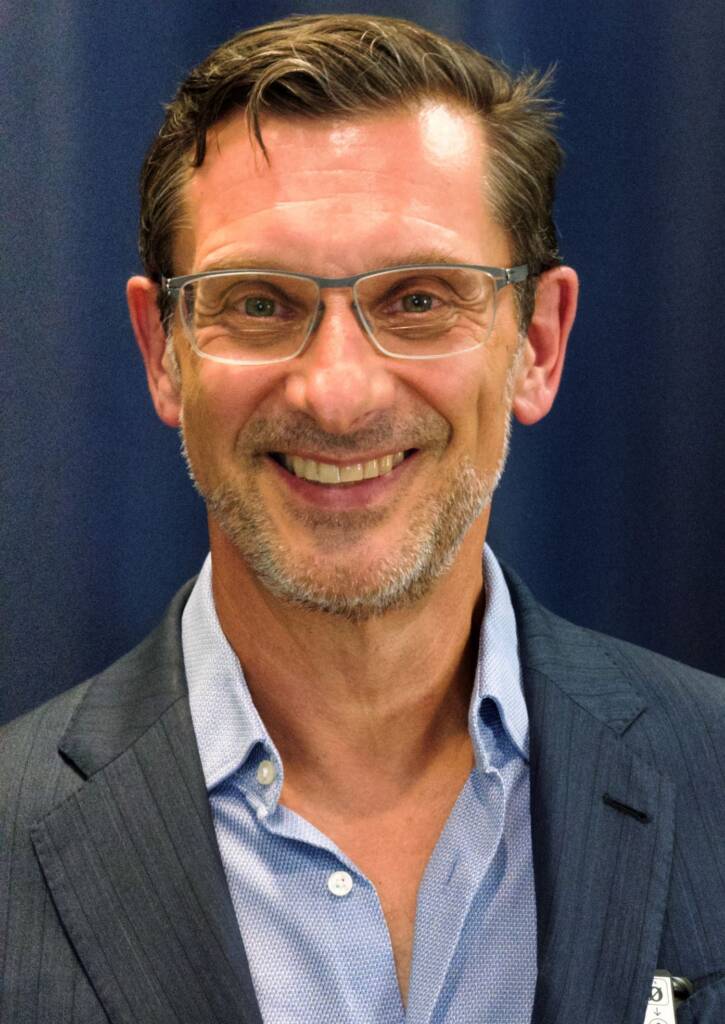
Dr. Mark Kohout

Dr. Mark Kohout is a highly qualified specialist plastic and reconstructive surgeon with over 25 years of experience, based in central Sydney. 

Trained in Great Britain, Australia, and the U.S., he co-founded Australia Plastic Surgery. Specializing in breast, genital, and male breast surgeries, he is a certified member of the Australian Society of Plastic Surgeons (ASPS) and the Royal Australian College of Surgeons (RACS). 

Dr. Kohout has appeared in media like The Biggest Loser and has published several articles in his field.

Icon
0
Years of Experience
Icon
0+
Successful Procedures
Icon
0+
Available Treatments
Our Trusted

Accreditations

FRACS new logo
CONTACT US

Ready to enhance your appearance?

Get in Touch


    This website contains imagery which is only suitable for audiences 18+. All surgery contains risks, read more.

    X

    Get Your Liposuction Guide

    This field is for validation purposes and should be left unchanged.

    Get Your Female Genital Surgery Guide

    This field is for validation purposes and should be left unchanged.

    Get Your Excess Skin Surgery Guide

    This field is for validation purposes and should be left unchanged.
    Make an Enquiry