Skip to content Skip to footer

Buccal Fat Removal Facial Slimming

At Australian Cosmetic Clinics, Buccal Fat Removal is available as a surgical option for selected patients seeking to reduce fullness in the lower cheeks. While facial volume is an important aspect of natural structure and proportion, in some individuals the buccal fat pad remains prominent into adulthood, resulting in a rounder appearance in the mid-face region. This procedure, performed through an incision within the mouth, allows for the careful removal of a portion of this fat pad. It is not a universal solution and is not suitable for every patient, which is why individualised assessment is central to the clinic’s approach.

The procedure, like all surgeries offered at Australian Cosmetic Clinics, is only recommended following a detailed evaluation of anatomical features, personal goals and medical suitability.

Take our Plastic Surgery Quiz to find out if you’d be a good candidate and if you are ready for the surgery.

About the Buccal Fat Pad and Its Role in Facial Appearance

The buccal fat pad is a deep, encapsulated collection of fat situated between several facial muscles. It is present in all individuals and is more prominent in infancy and childhood, assisting in functions such as suckling. As individuals age, the prominence of this fat pad typically reduces. However, in some adults, a fuller buccal fat pad may remain, contributing to a round or soft appearance of the lower cheeks even when the rest of the facial structure appears more angular.

This pocket of fat is distinct from subcutaneous facial fat and cannot be adjusted through exercise or dietary changes. It is located beneath muscle layers, which makes it accessible only through surgical intervention. The pad also plays a protective role, cushioning muscles involved in chewing and facial movement. For this reason, the decision to address this area surgically must be made cautiously. The amount of fat removed is conservative, tailored to the individual’s structure, and done to preserve function and support facial harmony over time.

Buccal Fat Removal does not involve liposuction. It is not a treatment for general facial fullness related to weight or skin laxity. The procedure specifically targets the deep fat pad and is approached with anatomical precision.

Who Might Consider Buccal Fat Reduction?

Patients who enquire about Buccal Fat Removal typically describe an interest in supporting greater definition in the lower face, particularly between the cheekbone and jawline. During consultation, the surgical team at Australian Cosmetic Clinics conducts a thorough clinical assessment to determine whether this concern is primarily related to buccal fat volume or influenced by other factors such as jaw shape, soft tissue thickness, bone structure or generalised facial fat distribution.

Some patients may have a family history of rounder facial features or naturally broader mid-cheek areas that appear disproportionate compared to the rest of their features. In other cases, individuals have maintained a stable body weight and consistent habits but observed persistent fullness in this specific area. Asymmetry may also be a consideration, and in some instances, addressing the buccal fat pad can support better facial balance.

This procedure is not suitable for everyone. Those with a naturally leaner facial structure or reduced skin elasticity may not be ideal candidates, as adjusting volume in these cases could contribute to an overly hollow appearance over time. The team at Australian Cosmetic Clinics is committed to providing thorough and honest assessments. Where the procedure is not clinically appropriate, patients will be guided through alternative options or advised to consider non-surgical approaches depending on their goals.

What Buccal Fat Removal Aims to Support

This procedure is intended to support a reduction in volume in the area of the lower cheeks, allowing for clearer transitions between different parts of the face for suitable individuals. It is approached conservatively and focuses on adjusting one specific element of facial structure in selected cases.

The aim is not to create dramatic changes or to promote uniform outcomes. Each individual’s facial anatomy is different, and the effect of reducing buccal fat is influenced by skin tone, underlying muscle structure and the body’s natural healing process. At Australian Cosmetic Clinics, the priority is to provide guidance that is medically informed and oriented toward proportional, balanced results based on a patient’s natural features.

Outcomes are not guaranteed. In some cases, patients may notice a subtle shift in the way their mid-face area appears once the swelling has settled and the tissues have adjusted. The goal is to allow the existing facial structure to become more defined in the appropriate context, not to change the face entirely.

CLICK to Download Dr Mark Kohout’s Facial Aesthetics Guide

Surgical Planning and Technique

Once a patient is determined to be clinically suitable for Buccal Fat Removal, a surgical plan is developed. This includes a comprehensive review of medical history, any medications being taken, previous procedures (if any) and lifestyle factors that may affect healing. Pre-operative photographs are taken for planning and follow-up purposes.

The procedure is performed in a licensed surgical facility. It may be carried out under local anaesthesia with sedation or under general anaesthesia, depending on the patient’s preferences and the clinical recommendation. Every step is planned to prioritise safety and patient comfort.

During the procedure, a small incision is made inside the mouth on the inner cheek. This means there is no visible scar on the outside of the face. Through this access point, the surgeon carefully navigates to the buccal fat pad. Once identified, a measured portion of the fat pad is adjusted and removed. The amount removed is determined case-by-case. The incision is then closed with dissolvable sutures. No external dressings are typically required.

The procedure duration ranges from 30 to 60 minutes. After a short monitored recovery, patients return home with a set of post-operative instructions. Most patients find that the early healing phase is manageable with basic care and routine check-ins.

Risks and Considerations

All surgical procedures carry potential risks. These are discussed in detail during consultation. Buccal Fat Removal, while relatively brief in duration, involves operating in a complex anatomical region and must be approached with care.

Temporary swelling and bruising are common and expected. Some patients also report mild discomfort or tightness in the cheek area, which generally resolves within a week or two. In rare instances, temporary numbness may occur due to minor nerve irritation. Most patients find that this resolves on its own as the tissues heal.

Other risks include infection, delayed healing, changes in sensation, asymmetry, or unsatisfactory aesthetic results. Infrequently, there may be involvement of nearby structures such as facial nerves or salivary ducts. While serious complications are rare, they remain possible and are outlined clearly in consultation. The team at Australian Cosmetic Clinics provides clear guidance on recognising early signs of any issues and offers continued follow-up care.

One of the most important long-term considerations is how age-related changes may interact with reduced cheek volume. Facial fat naturally decreases over time, and for this reason, conservative removal is prioritised. Where there is a possibility that removal could lead to an unwanted hollowed appearance later in life, this will be factored into the decision-making process.

Recovery Expectations

Recovery following Buccal Fat Removal typically follows a steady and well-supported trajectory. Patients are given personalised post-operative instructions that cover wound care, oral hygiene, activity levels and diet.

A soft or liquid diet is advised for several days, to avoid strain on the internal incision. An antiseptic mouthwash is prescribed to support healing and reduce the chance of infection. Smoking and alcohol should be avoided throughout the initial healing phase, as both can impair recovery.

Swelling usually peaks within the first few days and gradually resolves. Final outcomes may take several weeks to become fully apparent, as deeper tissues settle and minor swelling subsides. It is recommended that patients avoid heavy exercise and significant facial movement early on to support tissue healing.

Most patients return to work or daily tasks within a few days, though timeframes vary. Social downtime may extend to one to two weeks depending on the individual’s response to surgery. Follow-up appointments are an important part of the process and allow the surgical team to check healing and address any concerns as they arise.

Long-Term Maintenance

Buccal Fat Removal offers a permanent reduction in the targeted fat cells. However, the final appearance may evolve over time due to natural ageing, skin changes and overall health. Patients are advised to maintain a stable weight and take general steps to support skin and tissue health, such as avoiding smoking and staying hydrated.

In some cases, changes to the face due to age may alter the way surgical adjustments appear. Regular check-ins are encouraged, particularly if there are questions about the long-term changes or if patients are considering other facial procedures in the future.

Procedure Fees in New South Wales

As a cosmetic procedure, Buccal Fat Removal is not eligible for Medicare rebates or private health fund contributions. Fees are based on multiple components including surgeon’s fee, facility costs, anaesthetic, and post-operative care.

All patients receive a clear, written quotation outlining all expected costs. There are no hidden fees. Pricing may vary if the procedure is combined with other treatments or requires general anaesthesia instead of local with sedation.

The team at Australian Cosmetic Clinics is available to answer questions related to fees, payment options and scheduling. Cost clarity is provided early in the decision-making process.

GALLERY

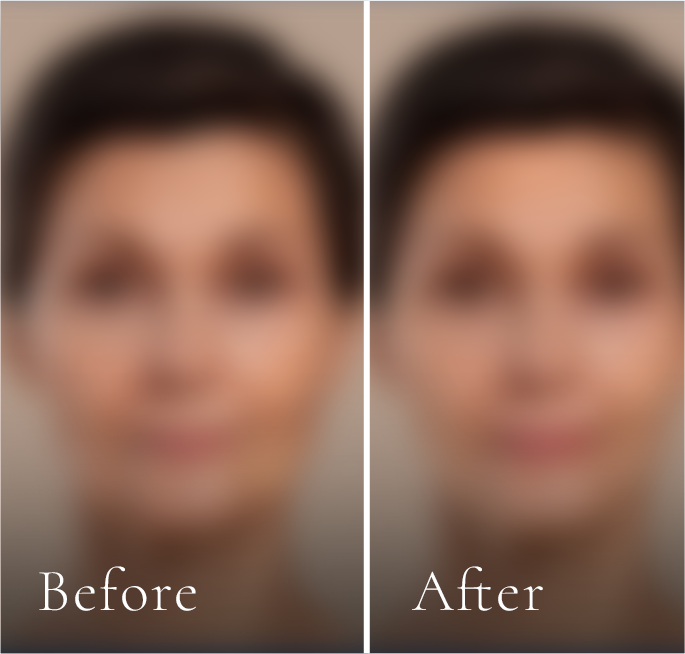
Before & After

Note: Each surgical procedure produces unique outcomes influenced by factors such as body composition, skin tone, laxity, age, and genetics. The before-and-after photographs displayed are of actual patients and are provided for informational purposes only. These outcomes are specific to the individuals shown and may not be representative of all patients. Surgical procedures carry risks, and results may vary. A consultation with your surgeon will provide more personalised information about potential outcomes and risks.

Recovery after Face and Neck Lipo Featured Image

Pre-Surgery Preparation

Patients will be provided with a preparation guide prior to surgery. This includes instructions on fasting, medication adjustments and how to organise time off work. Some individuals may require medical clearance, depending on their health history.

It is important to avoid anti-inflammatory medications, supplements and other agents that may increase bleeding risk in the days before surgery. A list will be supplied. Patients must also arrange transport home after the procedure, as driving is not permitted on the day of surgery.

A supportive home environment is encouraged. Access to soft foods, prescribed mouthwash and rest will contribute to a recovery that is as uncomplicated as possible.

Facial Slimming with Buccal Fat Removal FAQs

Can buccal fat return after it has been removed?

The buccal fat pad does not regenerate once removed. However, changes in overall weight and natural ageing can affect how facial tissues appear over time.

Is there a way to predict how much change I will see before surgery?

While digital imaging can assist with visualisation, the degree of visible change depends on each patient’s anatomy and how their tissue responds to the procedure. The most accurate assessment comes from in-person evaluation and discussion with your surgeon.

Does this procedure change how I chew or speak?

Chewing and speaking typically remain unaffected. The buccal fat pad is located away from the primary muscles involved in these functions, and care is taken to avoid disrupting important structures.

What happens to the space where the fat was removed?

After removal, the area gradually adjusts as surrounding tissues settle. There is no permanent cavity left behind, and the body adapts as part of the healing process.

Can buccal fat removal be reversed if I change my mind?

This procedure is not reversible. In selected cases, fat grafting may be considered to restore volume, but it is approached with caution and discussed in full if needed.

Is this procedure commonly performed in combination with others?

Yes, some patients undergo buccal fat removal alongside chin adjustments, jawline procedures or non-surgical treatments. These combinations are only considered when clinically appropriate.

Will my face look noticeably different to others?

The change is typically subtle. Many people describe the outcome as a refined appearance that fits naturally with their overall facial structure, rather than a dramatic shift.

Can it be done more than once?

Buccal fat removal is generally performed once. Over-removal is avoided, and repeat procedures are not usually necessary or recommended.

What age group typically seeks this procedure?

Patients range from their mid-20s to mid-40s. Suitability is based more on facial structure than age, and each person is assessed individually.

Does it help with symmetry if one cheek is fuller than the other?

In some cases, it may support a more balanced appearance between the cheeks. The approach is conservative and guided by a careful assessment of natural facial differences.

Medical References

Further Reading


The Australian Cosmetic Clinics Approach

Australian Cosmetic Clinics places a strong emphasis on medically informed decisions, realistic expectations and respectful communication. The team avoids language that suggests patients require change or correction, and instead focuses on individual goals, clinical suitability and open discussion.

The clinical team brings specialist training and in-depth experience to the assessment and performance of all procedures. The approach is aligned with AHPRA’s guidelines, and every consultation is carried out in a collaborative and respectful environment.

The clinic welcomes all enquiries and encourages patients to contact the practice to learn more about whether Buccal Fat Removal is appropriate for their circumstances. Every consultation is a collaborative process, where education, safety and clear communication are guiding principles.

Do you have questions?

Reach out to us...

Get in Touch

This field is for validation purposes and should be left unchanged.
Name
Dr Mark Kohout
Specialist Plastic Surgeon

Dr. Mark Kohout

Dr. Mark Kohout (MED0001133000) is a fully qualified specialist plastic and reconstructive surgeon with over 25 years of experience, based in central Sydney. 

Trained in Great Britain, Australia, and the U.S., he co-founded Australia Plastic Surgery. Specialising in breast, genital, and male breast surgeries, he is a certified member of the Australian Society of Plastic Surgeons (ASPS) and the Royal Australian College of Surgeons (RACS). 

Dr. Kohout has appeared in media like The Biggest Loser and has published several articles in his field.

Icon
0
Years of Experience
Icon
0+
Surgical Procedures
Icon
0+
Available Treatments
Our Authorised

Accreditations

fracs

This website contains imagery which is only suitable for audiences 18+. All surgery contains risks, read more.

X

Get Your Facial Aesthetic Guide

This field is for validation purposes and should be left unchanged.

Get Your Female Genital Surgery Guide

This field is for validation purposes and should be left unchanged.

Get Your Excess Skin Surgery Guide

This field is for validation purposes and should be left unchanged.
Make an Enquiry