
Can Patients With Split Muscles Have Liposuction?
Table of Contents Liposuction, more commonly known as lipo, has long been a preferred surgical option for individuals seeking to reduce isolated pockets of fat that remain resistant to diet
Neck liposuction is a cosmetic surgical procedure designed to address persistent fat deposits under the chin and around the upper neck. These changes can contribute to a less defined jawline or a rounded lower facial appearance, even in individuals who are otherwise slim and healthy.
Australia Cosmetic Clinics, Dr Mark Kohout, a Specialist Plastic Surgeon based in Sydney, offers neck liposuction for both women and men seeking to adjust definition in the lower face and neck area. Recovery is a key part of the overall surgical process, and understanding the timeline, expected symptoms, and post-operative care steps may greatly assist patients in preparing for their surgical experience.
With his extensive training and over two decades of surgical experience, Dr Mark Kohout tailors the care every patient receives to reflect their unique anatomy and goals.
Neck liposuction is a targeted procedure that aims to remove subcutaneous fat from the region beneath the chin and along the upper neck using a fine suction cannula. It may:
This procedure is often suitable for patients with good skin elasticity who are bothered by fullness in this region that does not respond to weight loss or lifestyle changes. When performed by a qualified surgeon, it can offer structural improvement that lasts over time.
Curious about how liposuction works and what recovery feels like?
This short video walks you through the journey. From consultation to results, so you can feel confident, informed, and ready to take the next step.
Dr Mark Kohout, a Specialist Plastic Surgeon in Sydney, takes an anatomical and safety-focused approach to neck liposuction. He carefully evaluates:
Where appropriate, he may suggest combining neck liposuction with procedures such as a neck lift or chin augmentation for more comprehensive results. Every recommendation is made with careful consideration of the individual’s needs and preferences.
Procedures are performed in fully accredited surgical facilities, meeting all Australian standards for safety and sterility.
Immediately after the procedure, patients are transferred to a recovery area where they are monitored for a short time. Most individuals are discharged on the same day once the anaesthesia has worn off and post-operative checks are completed. You will return home with:
It’s recommended that a responsible adult be available to assist you during the first 24 hours post-surgery.
Patients can expect a range of temporary post-operative effects, which are part of the normal healing process:
During this time, Dr Mark Kohout’s team in Sydney is available for phone or in-person support if any concerns arise.
In the first week, rest is important—but so is light mobility. Patients are advised to:
By the end of the week, most patients begin to feel more comfortable performing light daily tasks but should still avoid returning to the gym or other forms of exertion.
Depending on the technique used, sutures may be dissolvable or removed during the first follow-up visit. During the initial healing phase, you will be advised to:
Dr Mark Kohout’s Sydney clinic provides tailored post-operative packs, which may include saline rinses, ointments, and dressing supplies, depending on your surgical plan.
By the second week:
Results become more visible as swelling settles, though the final contour continues to evolve.
You may still be instructed to wear your compression garment during sleep or for a few hours each day. Continued use:
The duration of garment use is personalised and will be discussed at your review appointments with Dr Mark Kohout.
After one month, most patients return to full activity and begin to appreciate the overall result. During this period:
While initial results are visible early, the final appearance typically develops over 3 to 6 months, as swelling fully resolves and tissues mature.
Dr Mark Kohout, as a highly experienced Specialist Plastic Surgeon, continues to monitor your recovery at each phase. At these appointments:
These follow-ups take place at his Sydney clinic, providing easy access for local patients.
Each patient heals at a different pace. Contributing factors include:
Dr Mark Kohout provides personalised timelines based on your health profile and surgical plan.
Proactive care can assist your outcome:
At every stage, Dr Kohout’s team in Sydney offers guidance, checklists, and assistance as needed.
If you’ve noticed excess fullness under your chin or along your neck that doesn’t improve with diet or exercise, neck liposuction may be a consideration. The recovery process requires patience, commitment to aftercare, and a realistic understanding of outcomes.
With proper planning and guidance from Dr Mark Kohout, Specialist Plastic Surgeon in Sydney, many patients feel well supported as they navigate their recovery. A consultation can help determine whether neck liposuction aligns with your goals and expectations.
This is a collaborative process—one that balances surgical technique with healing support to provide the optimal experience.
If you’re considering neck liposuction and want to understand your options in a professional, pressure-free setting, book a consultation with Dr Mark Kohout. Located in central Sydney, Dr Kohout’s clinic provides comprehensive evaluations, tailored advice, and ongoing support throughout your journey.
Visit the website to learn more and request an appointment.
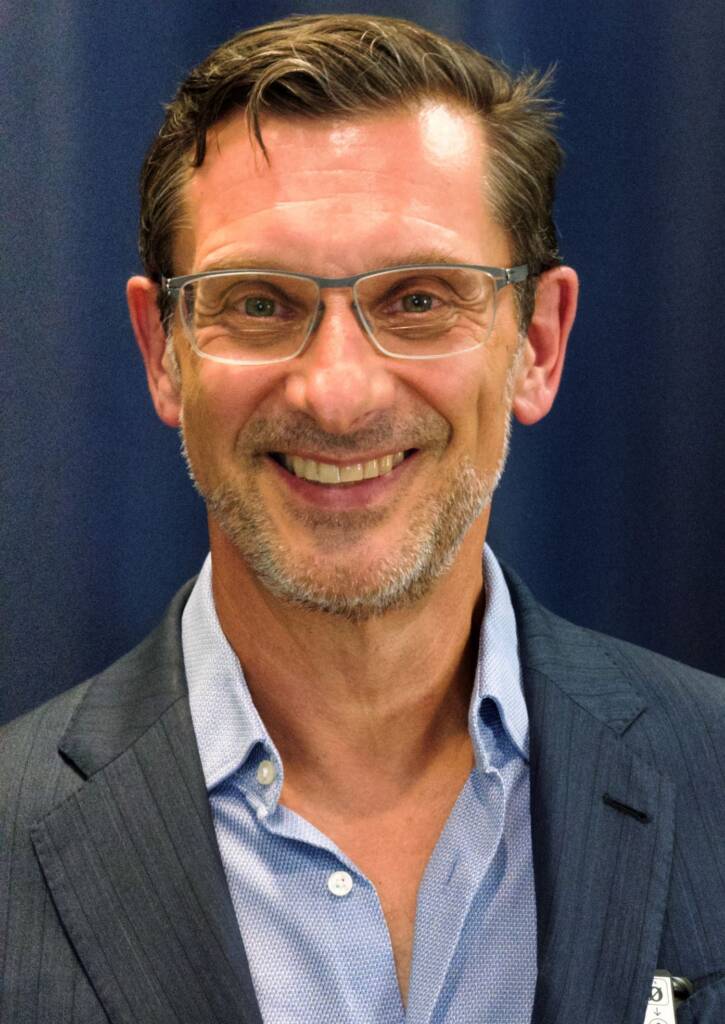
Dr. Mark Kohout (MED0001133000) is a fully qualified specialist plastic and reconstructive surgeon with over 25 years of experience, based in central Sydney.
Trained in Great Britain, Australia, and the U.S., he co-founded Australia Plastic Surgery. Specialising in breast, genital, and male breast surgeries, he is a certified member of the Australian Society of Plastic Surgeons (ASPS) and the Royal Australian College of Surgeons (RACS).
Dr. Kohout has appeared in media like The Biggest Loser and has published several articles in his field.






Table of Contents Liposuction, more commonly known as lipo, has long been a preferred surgical option for individuals seeking to reduce isolated pockets of fat that remain resistant to diet
Table of Contents Stomach liposuction is a commonly requested cosmetic procedure for individuals seeking to address localised fat deposits that have not responded to diet and exercise. Recovery and aftercare
Table of Contents Liposculpture is a refined body modifying procedure designed to remove excess fat and adjust natural body definition. For individuals considering a tailored approach to reshaping specific areas,
This website contains imagery which is only suitable for audiences 18+. All surgery contains risks, read more.