Skip to content Skip to footer

Dimple Creation Surgery

Facial features contribute significantly to how individuals perceive themselves and how they are perceived by others. For many people, dimples are seen as an expressive or distinctive feature, commonly associated with smiling. While naturally occurring in some individuals, dimples can also be introduced surgically through a minor procedure known as dimple creation or dimpleplasty.

At Australia Cosmetic Clinics, dimple creation is offered as a personalised procedure for individuals who would like to incorporate this facial feature into their appearance. The approach is based on clinical experience and conducted in a medically accredited setting. The procedure typically takes less than an hour, involves no external incisions, and is performed under local anaesthetic with a steady and monitored recovery process.

Take our Plastic Surgery Quiz to find out if you’d be a good candidate and if you are ready for the surgery.

Overview of Dimple Creation

Dimple creation is a short surgical procedure performed in a clinical environment using local anaesthetic. It generally takes between 30 and 60 minutes and is conducted as a day procedure, with no hospital admission required. The technique involves creating a connection between the inner cheek muscle and the underside of the skin. This internal link supports the formation of an indentation that becomes visible when smiling.

Because the incision is made inside the mouth, there are no visible external marks. The dimple often appears immediately after the procedure, although its final appearance may change as the area progresses through the healing process. Most individuals can resume daily activities within a few days, with care tailored to support appropriate recovery.

What is
Dimple
Creation?

Dimple creation, or dimpleplasty, involves placing a small dissolvable suture through the buccinator muscle inside the cheek. This suture encourages a gentle connection between the muscle and the underside of the skin. As healing occurs, natural tissue response helps to maintain the appearance of a dimple even after the suture has dissolved.

Initially, the dimple may be visible even when not smiling. Over time, it usually softens in appearance and aligns with facial movement. This gradual change takes place as swelling reduces and the tissues adjust.

Who Might Consider This Procedure?

Dimple creation may be considered by individuals who are interested in modifying their facial appearance by introducing dimples or supporting facial symmetry where a natural dimple is present on one side. It is generally suitable for individuals in good health who do not have active oral infections or other facial conditions that could affect recovery.

Patients exploring this procedure often have clearly defined goals and understand that outcomes vary. Non-smokers, or those willing to pause smoking before and after the procedure, are preferred candidates as this supports the healing process.

Why Some People Choose Dimple Creation

People choose dimple creation for various reasons. Some are drawn to the appearance of dimples, while others are influenced by family or cultural associations. For many, dimples are seen as contributing to individual character or expression.

It is important that expectations remain realistic. Dimple creation supports aesthetic preferences and is not intended to influence psychological or emotional outcomes. The surgical team works closely with each patient to explain all aspects of care and answer any questions.

CLICK to Download Dr Mark Kohout’s Facial Aesthetics Guide

Visual Outcomes and Realistic Expectations

During the consultation, patients may be shown before-and-after photos, where permitted, to help understand possible outcomes. These images are shared only with consent and for education. They should not be viewed as predictive of personal results.

Each patient’s face is different, and so the location, size, and visibility of the dimple will vary depending on factors such as healing and natural muscle movement. Australia Cosmetic Clinics complies with all AHPRA guidelines in the presentation of visual content to support informed decisions.

The Surgical Process in Detail

The procedure starts with identifying the most suitable location for the dimple. This is usually done while the patient smiles so that natural expression and muscle movement can guide placement. The area is then marked for precision.

Local anaesthetic is applied to numb the treatment site. A small incision is made on the inside of the cheek. A dissolvable suture is passed through the buccinator muscle and secured to the underside of the skin. This creates a gentle inward pull on the skin surface. The suture will dissolve over time, and the tissue will adjust as healing progresses.

As there are no external incisions, there is no visible scarring. The procedure is typically completed within an hour and patients are able to leave the clinic shortly after.

Risks and Considerations

All surgical procedures involve potential risks. With dimple creation, these may include swelling, bruising, temporary tenderness, or infection. These effects are typically manageable with appropriate follow-up and guidance from the clinic.

In some cases, asymmetry may occur where one dimple appears more defined than the other. Patients may also notice that the dimple is initially visible even when not smiling, which often changes during healing. In a small number of cases, the dimple may reduce in visibility over time. Options to adjust the outcome can be discussed with the treating team, although additional procedures are not always required or recommended.

The Recovery Period

Recovery after plastic surgery is generally well supported and monitored by the clinical team. Most patients are able to return to non-strenuous activities within a few days. Swelling and mild discomfort may be present in the early phase and typically settle over one to two weeks.

Patients are advised to eat soft foods and avoid activities that involve excessive facial movement during the first few days. Good oral hygiene is encouraged. A medicated mouth rinse may be recommended to help manage bacteria and support healing.

Follow-up care is scheduled to review progress and offer additional support where needed. Patients are welcome to contact the clinic at any time with questions during recovery.

What to Know About Long-Term Results

The dimple usually becomes less visible at rest and more prominent during smiling over time. Long-term appearance may be influenced by facial movement, changes in body weight, or the natural ageing process. In many cases, the effect remains stable once healing is complete.

Patients who wish to make adjustments can explore options during review appointments. The clinic offers clear guidance about what can and cannot be modified after the initial result settles.

Facelift Featured Image

Understanding the Cost of Dimple Creation

Dimple creation is classified as a cosmetic procedure and is not covered by Medicare or private health insurance. Australia Cosmetic Clinics provides clear information about fees during the consultation.

Facial surgery costs vary depending on whether one or both cheeks are treated and the specific needs of the individual. The total fee generally includes the consultation, surgical planning, procedure, anaesthetic, and post-procedure care. A detailed quote is provided to assist with decision-making.

GALLERY

Before & After

Note: Each surgical procedure produces unique outcomes influenced by factors such as body composition, skin tone, laxity, age, and genetics. The before-and-after photographs displayed are of actual patients and are provided for informational purposes only. These outcomes are specific to the individuals shown and may not be representative of all patients. Surgical procedures carry risks, and results may vary. A consultation with your surgeon will provide more personalised information about potential outcomes and risks.

How to Prepare for Dimple Creation Surgery

Preparation begins with a clinical consultation to assess health, medical history, and suitability for the procedure. This is also an opportunity to discuss personal goals and ask any questions about the process.

Patients may be advised to pause smoking and avoid certain medications before the procedure. Oral care is important and may include the use of antiseptic mouthwash in the days prior. Clear instructions will be provided in advance to ensure appropriate preparation.

On the day of the procedure, patients will be reminded of any fasting requirements or other steps that need to be followed. The clinical team is available to assist with any concerns.

Dimple Creation Surgery FAQs

Can a surgically created dimple look different from a natural one?

Yes, there can be subtle differences. A created dimple may initially appear more defined or be visible at rest until healing adjusts the final appearance.

Is it possible to create a dimple on just one side of the face?

Yes, a single dimple can be created based on personal preference or to match an existing natural one. This is commonly requested for facial symmetry or individual expression.

Will the dimple always stay the same over time?

The appearance may evolve due to facial movement, natural ageing, or healing changes. In some cases, the dimple may become softer or less noticeable over time.

Can the dimple be reversed if I change my mind?

Reversal may be possible in some cases, but it can be complex. It is best discussed directly with the treating practitioner after a full assessment.

Is there a risk the dimple might appear when I’m not smiling?

Yes, early in the healing process, the dimple may be visible at rest. This often changes over time as tissues adapt and swelling subsides.

Will the procedure affect how I chew or speak?

It is unlikely to affect chewing or speech in the long term. Mild changes may be noticed in the first few days due to temporary swelling or awareness of the area.

Can I choose the exact position of the dimple?

The position is discussed and marked with input from the patient, usually while smiling. Final placement also considers underlying anatomy and facial movement.

Are there cultural reasons why some people want dimples?

Yes, in some cultures, dimples are associated with charm or good fortune. Cultural and personal reasons often play a role in the decision.

Is there a specific age range for dimple creation?

There is no set age, but it is most often requested by adults. Suitability is based more on individual health and expectations than age alone.

Can weight changes affect the appearance of the dimple?

Yes, significant changes in facial volume can influence how the dimple appears. This is something the clinical team may discuss during consultation.

Medical References

Further Reading

The Australia Cosmetic Clinics Approach

Australia Cosmetic Clinics delivers care based on clinical training, experience, and a respectful, individualised approach. The team supports each patient through clear communication and a focus on informed choices.

Each step of care is designed to support safety and professional standards. The clinical team draws on specialist knowledge to guide treatment planning, surgery, and recovery in line with regulatory expectations and ethical advertising practices.

Next Steps

Individuals considering dimple creation are encouraged to book a consultation to learn more about the procedure. This session includes a health review, discussion of personal preferences, and an explanation of possible outcomes.

Patients are invited to take time to reflect before making any decisions. Australia Cosmetic Clinics is available to provide further information and assist with planning at every stage.

Do you have questions?

Reach out to us...

Get in Touch

This field is for validation purposes and should be left unchanged.
Name
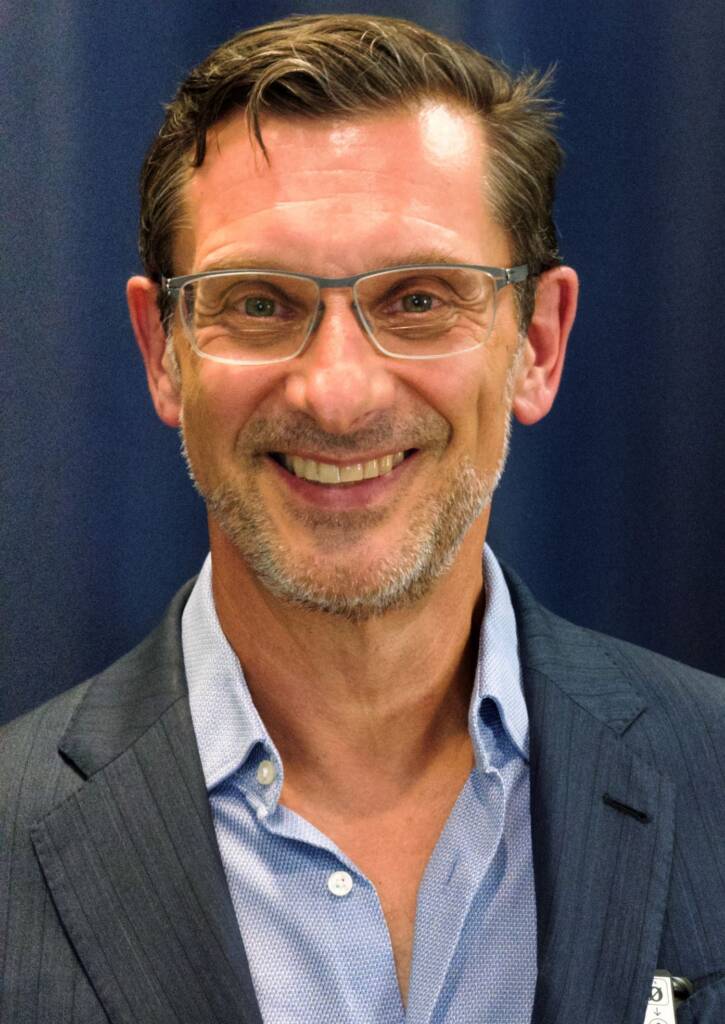
Dr Mark Kohout
Specialist Plastic Surgeon

Dr. Mark Kohout

Dr. Mark Kohout (MED0001133000) is a fully qualified specialist plastic and reconstructive surgeon with over 25 years of experience, based in central Sydney. 

Trained in Great Britain, Australia, and the U.S., he co-founded Australia Plastic Surgery. Specialising in breast, genital, and male breast surgeries, he is a certified member of the Australian Society of Plastic Surgeons (ASPS) and the Royal Australian College of Surgeons (RACS). 

Dr. Kohout has appeared in media like The Biggest Loser and has published several articles in his field.

Icon
0
Years of Experience
Icon
0+
Procedures Performed
Icon
0+
Available Treatments
Our Authorised

Accreditations

fracs

This website contains imagery which is only suitable for audiences 18+. All surgery contains risks, read more.

X

Get Your Facial Aesthetic Guide

This field is for validation purposes and should be left unchanged.

Get Your Female Genital Surgery Guide

This field is for validation purposes and should be left unchanged.

Get Your Excess Skin Surgery Guide

This field is for validation purposes and should be left unchanged.
Make an Enquiry