
Can Patients With Split Muscles Have Liposuction?
Table of Contents Liposuction, more commonly known as lipo, has long been a preferred surgical option for individuals seeking to reduce isolated pockets of fat that remain resistant to diet
Abdominoplasty after significant weight loss can be a transformative procedure, helping individuals address the excess skin and improve muscle tone that often results from substantial weight reduction. In Australia, many people who have successfully lost weight find that despite their efforts, loose skin continues to impact their comfort, confidence, and mobility. For these individuals, an abdominoplasty, commonly known as a tummy tuck, offers a solution that can help them achieve a firmer and more profiled abdomen.
Dr. Mark Kohout, a highly qualified plastic surgeon based in Sydney, has extensive experience in body contouring procedures, including abdominoplasty after weight loss. His approach combines advanced surgical techniques with a compassionate, patient-focused philosophy to ensure each person receives the care they need. Through comprehensive consultations, Dr. Kohout ensures that patients are well-informed, comfortable, and confident in their decision to undergo surgery.
In the following FAQs, we explore what abdominoplasty entails, who makes an appropriate candidate, and what to expect throughout the process – from consultation to recovery. If you are considering abdominoplasty after weight loss, this guide provides valuable information to help you decide whether this procedure is right for you.
A suitable candidate for abdominoplasty following weight loss is someone who has reached a stable weight and is generally in good health. It’s important that the patient has realistic expectations about the outcomes of the surgery. Abdominoplasty can remove excess skin and improve the abdominal contours, but it’s not intended as a weight-loss solution. Non-smokers or individuals willing to stop smoking before surgery are typically more suitable candidates, as smoking can impact the healing process.
While a standard abdominoplasty primarily focuses on tightening the abdominal muscles and removing a moderate amount of excess skin, an abdominoplasty after significant weight loss often involves more extensive skin removal. After substantial weight loss, there may be excess skin not only in the lower abdomen but also in the upper areas, flanks, and even the sides. In these cases, a more involved procedure may be required, such as an extended or circumferential abdominoplasty.
The procedure typically begins with an incision made horizontally across the lower abdomen, above the pubic area. Depending on the amount of excess skin, the incision may extend around the sides or back. The surgeon will remove excess skin and fat and may tighten the abdominal muscles if they have weakened or separated. The skin is then repositioned, and the incision is closed with sutures. In some cases, liposuction may be combined with abdominoplasty to optimise the overall contour.
The length of the surgery can vary depending on the complexity of the procedure and the extent of the corrections needed. On average, abdominoplasty may take between two and five hours. If the procedure is combined with other surgeries, such as a breast lift or body lift, the surgery time will be extended accordingly.
Recovery from abdominoplasty requires patience and care, as it is an invasive procedure. Following surgery, patients are typically required to wear a compression garment to minimise swelling and support the abdominal area as it heals. Initial recovery may take about two weeks, during which time strenuous activity should be avoided. Full recovery may take several months, with most individuals returning to normal activities within six to eight weeks. Following your surgeon’s post-operative instructions is crucial to a smooth recovery.
If you’d like a more detailed overview of the healing process, recovery milestones, activity restrictions, and tips for a smoother recovery, read our guide on what to expect after abdominoplasty (tummy tuck surgery).
As with any surgery, there are risks involved with abdominoplasty. These can include infection, bleeding, blood clots, and complications related to anaesthesia. Additionally, patients may experience temporary numbness, bruising, and swelling. It’s essential to discuss potential risks and complications with your surgeon before undergoing the procedure to make an informed decision.
The results of abdominoplasty can be long-lasting, especially if patients maintain a stable weight. However, future weight fluctuations or pregnancy can affect the results. It is important to discuss your long-term plans with your surgeon to ensure the timing of your surgery is appropriate.
Scarring is an inevitable part of any surgical procedure. The incision for abdominoplasty is typically placed in a location that can be concealed by undergarments or swimwear. Over time, the scar will fade, but it will not disappear entirely. Following post-operative care instructions can help minimise the appearance of scars, and some patients may opt for treatments to further improve their appearance.
Yes, abdominoplasty can be combined with other body contouring procedures, particularly after massive weight loss. Patients often choose to combine it with surgeries like a breast lift, thigh lift, or arm lift to address excess skin in multiple areas. However, it’s important to ensure that combining surgeries is suitable for your health and recovery, which your surgeon will evaluate during the consultation.
The cost of abdominoplasty after weight loss varies depending on factors such as the complexity of the procedure, surgeon fees, anaesthetist fees, and hospital charges. In Australia, abdominoplasty can range from $9,000 to $20,000, with more extensive procedures potentially costing more. It’s important to discuss all associated costs during your consultation so you are fully informed.
In some cases, abdominoplasty after significant weight loss may be eligible for Medicare rebates, particularly if it is deemed a medical necessity to address functional issues such as rashes, infections, or mobility problems caused by excess skin. It’s important to consult with your surgeon, who can assess your situation and provide guidance on eligibility. Private health insurance may also offer partial coverage, but this will depend on your specific policy.
Selecting a surgeon for abdominoplasty is an important decision. You should look for a qualified and experienced plastic surgeon who has expertise in body contouring surgeries. A thorough consultation will allow you to ask questions about the surgeon’s experience, view before-and-after photos of previous patients, and understand the expected outcomes. Additionally, ensure that the surgeon operates in accredited facilities and that you feel comfortable and confident in their care.
During your consultation, it’s essential to ask questions that help you fully understand the procedure, its benefits, risks, and what to expect. Some questions to consider include:
It is recommended that patients wait until their weight has stabilised before undergoing abdominoplasty. This typically means waiting at least six months to a year after significant weight loss, especially if the weight loss was achieved through bariatric surgery. Stable weight ensures that the results of the surgery are not affected by further weight changes, leading to more predictable outcomes.
For individuals who are primarily concerned with fat deposits rather than excess skin, non-surgical options such as cryolipolysis (fat freezing) or radiofrequency treatments might be considered. However, these treatments are not a substitute for abdominoplasty when there is significant excess skin, and their effects are usually less dramatic. It’s important to consult with your surgeon to determine the most appropriate treatment for your concerns.
Preparing for abdominoplasty involves several steps. Your surgeon will provide you with detailed pre-operative instructions, which may include stopping smoking, avoiding certain medications, and arranging for assistance during the initial recovery period. Maintaining a healthy lifestyle, including a balanced diet and regular exercise, can help optimise your results. Additionally, planning for time off work and ensuring you have a comfortable recovery space at home is essential.
It’s generally advisable to have abdominoplasty once your weight has stabilised, as significant fluctuations in weight after surgery could affect the results. If you lose more weight following abdominoplasty, you might develop further excess skin or find that your new contours are not as defined as you would like. Conversely, weight gain after surgery could stretch the skin and muscles that were tightened during the procedure. It is, therefore, recommended to achieve your target weight and maintain it for at least six months before considering abdominoplasty to ensure lasting results.
If you’ve recently had a baby and are considering abdominoplasty, it’s best to wait until you have fully recovered from childbirth and your weight has stabilised. Most surgeons recommend waiting at least six months to a year post-partum before undergoing the procedure. This waiting period allows your body to heal, and it gives your abdominal muscles and skin time to contract naturally after pregnancy. If you’re also considering additional procedures to address changes after pregnancy, it’s important to understand how to choose the right surgeon for post-pregnancy body contouring. Additionally, if you plan on having more children, it might be advisable to wait until after your final pregnancy to achieve the best long-term results.
Both abdominoplasty and panniculectomy involve the removal of excess skin from the abdomen. However, the procedures differ in their scope and purpose. A panniculectomy focuses solely on removing the pannus, or the overhanging apron of skin and fat that sometimes occurs after significant weight loss. It doesn’t involve muscle tightening or repositioning of the skin. Abdominoplasty, on the other hand, not only removes excess skin but also tightens the underlying abdominal muscles and repositions the skin to create a smoother, more toned appearance. Abdominoplasty is often chosen for aesthetic reasons, while panniculectomy may be performed primarily to address functional or medical concerns such as skin irritation, infections, or mobility issues caused by the pannus.
Before undergoing abdominoplasty, your surgeon will give you detailed instructions to follow in preparation for the procedure. This may include:
During your consultation for abdominoplasty, you’ll have the opportunity to discuss your goals and concerns with the surgeon. Dr Mark Kohout will evaluate your medical history, examine your abdomen, and determine whether you’re a suitable candidate for the procedure. Be prepared to answer questions about your health, lifestyle, and weight history. The surgeon will explain the procedure in detail, including the risks, benefits, and expected outcomes. You can also review before-and-after photos of previous patients who have undergone similar procedures to get a better sense of what to expect.
It’s important to come to your consultation with a list of questions so that you feel fully informed about the procedure and recovery process. Some patients find it helpful to bring a notepad or a friend or family member to take notes during the consultation.
In many cases, drains are placed after abdominoplasty to help remove excess fluid and prevent the accumulation of fluid under the skin. These small, flexible tubes are usually attached to a drainage bulb, which collects fluid. Drains are typically removed within a week or two after surgery, depending on the amount of fluid being produced.
While the thought of drains may seem daunting, they are an important part of the healing process and help to reduce complications such as seromas (fluid buildup) or infections. Your surgeon will give you instructions on how to care for the drains at home, including how to measure and empty the collected fluid.
Abdominoplasty can help to reduce the appearance of stretch marks, particularly those located on the lower abdomen, below the belly button. When excess skin is removed during the procedure, any stretch marks on that skin are also removed. However, it’s important to note that abdominoplasty is not specifically designed to treat stretch marks, and any remaining stretch marks above the belly button may not be affected by the surgery. If stretch marks are a concern, you can discuss this with your surgeon to understand what results you can expect.
Abdominoplasty is not a weight-loss procedure, but rather a body contouring surgery designed to remove excess skin and tighten the abdominal muscles. While a small amount of fat may be removed during the procedure, the primary focus is on improving the appearance and tone of the abdomen. Most patients lose a few kilograms of weight from the removed skin and fat, but the procedure should not be seen as a substitute for a healthy lifestyle, diet, and exercise. For lasting results, it’s important to maintain a stable weight after surgery.
Yes, men can undergo abdominoplasty after weight loss. In fact, abdominoplasty is becoming increasingly popular among men who have achieved significant weight loss and are left with loose skin around the abdomen. The procedure is tailored to each individual’s needs, and for men, it can help create a more toned and firmer appearance. As with female patients, men should be at a stable weight before undergoing abdominoplasty and have realistic expectations about the results.
In many cases, abdominoplasty includes the repair of the rectus muscles, which are the vertical muscles that run along the front of the abdomen. These muscles can become separated or weakened due to pregnancy, weight fluctuations, or ageing, leading to a condition known as rectus diastasis. During abdominoplasty, the surgeon will tighten and suture these muscles back together, helping to create a flatter and more toned abdomen. Muscle repair is particularly beneficial for patients who experience a bulging or protruding belly despite weight loss.
In most abdominoplasty procedures, the belly button is repositioned to a more appropriate location after excess skin has been removed. The surgeon makes an incision around the belly button, leaving it attached to its underlying stalk while repositioning the skin around it. A new opening is then created for the belly button in its original location. The result is a more aesthetically pleasing appearance, with the belly button in a position that complements the newly contoured abdomen.
While it is possible to become pregnant after abdominoplasty, it is generally recommended to wait until after you have completed your family before undergoing the procedure. Pregnancy can stretch the abdominal skin and muscles, potentially undoing the results of the surgery. If you are planning to have children in the future, it’s a good idea to discuss this with your surgeon during your consultation to determine the best timing for abdominoplasty.
The long-term outlook for abdominoplasty is positive, with many patients enjoying lasting results. However, it’s important to maintain a healthy lifestyle to ensure the best possible outcome. Weight fluctuations, pregnancy, and the natural ageing process can all affect the appearance of the abdomen over time. By maintaining a stable weight, exercising regularly, and following a healthy diet, you can help preserve the results of your surgery for many years to come.
Booking a consultation with Dr Mark Kohout is the first step towards exploring your options for abdominoplasty after weight loss. Dr Kohout will assess your individual needs and goals, and provide expert guidance on the best approach for your body. To book a consultation, you can contact Dr Kohout’s clinic through his website or by phone. The initial consultation is an opportunity to discuss your concerns, ask questions, and develop a personalised surgical plan that aligns with your expectations.
Abdominoplasty after weight loss is an effective way to address the excess skin and weakened abdominal muscles that can result from significant weight reduction. The procedure can help individuals achieve a firmer, smoother abdominal contour and improve their overall comfort and mobility. Dr Mark Kohout’s experience in body contouring surgery ensures that patients receive comprehensive care, from the initial consultation through to post-operative support. If you’re considering abdominoplasty after weight loss, it’s important to gather all the information you need to make an informed decision, ensuring that your expectations align with the potential outcomes of the procedure.
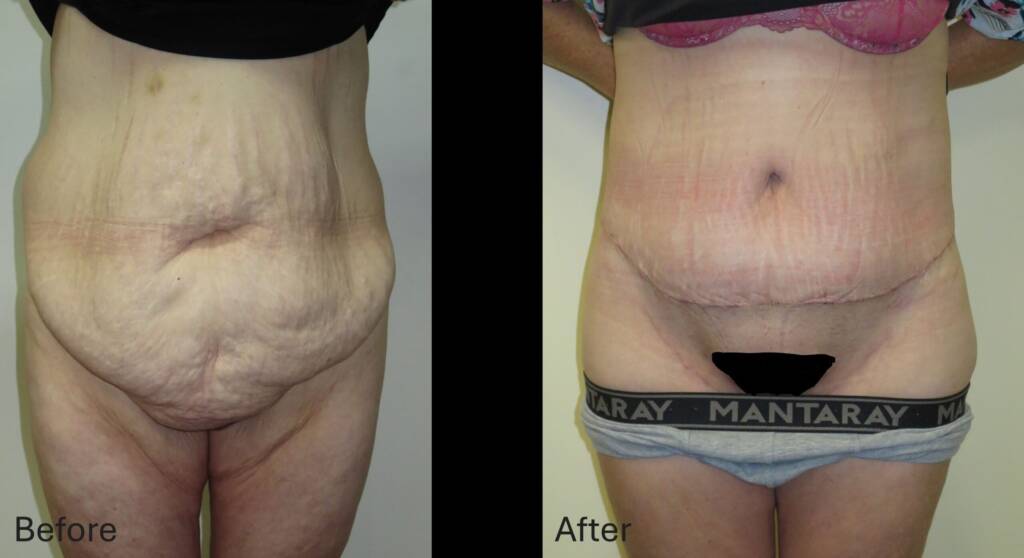
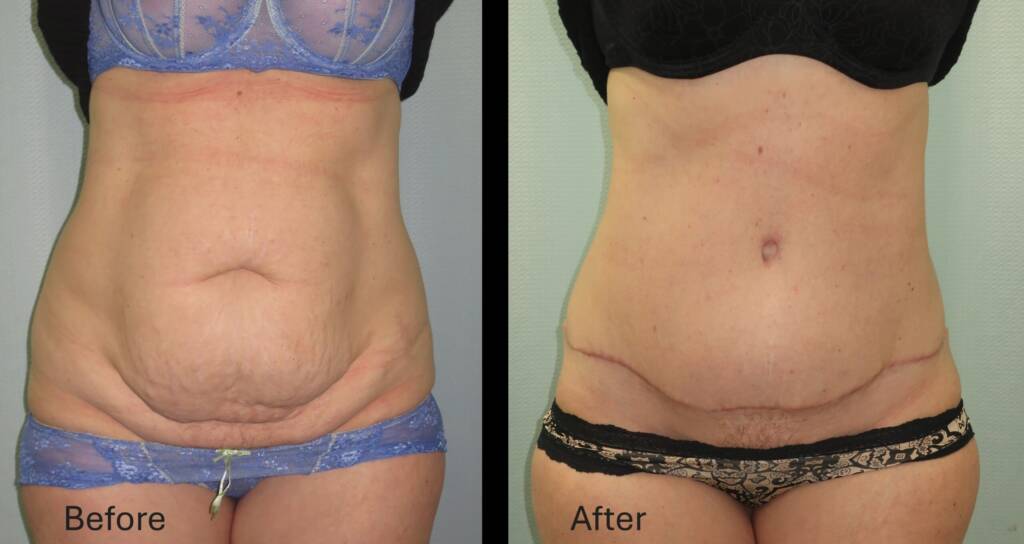
Feel free to explore these links for more detailed information on abdominoplasty and related topics!
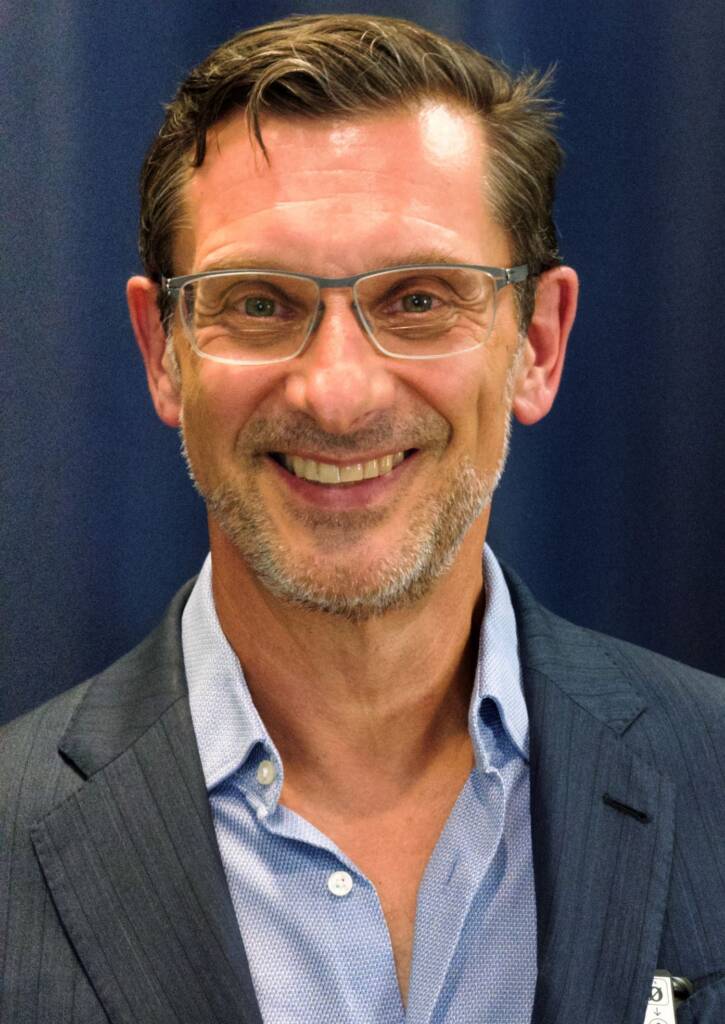
Dr. Mark Kohout (MED0001133000) is a fully qualified specialist plastic and reconstructive surgeon with over 25 years of experience, based in central Sydney.
Trained in Great Britain, Australia, and the U.S., he co-founded Australia Plastic Surgery. Specialising in breast, genital, and male breast surgeries, he is a certified member of the Australian Society of Plastic Surgeons (ASPS) and the Royal Australian College of Surgeons (RACS).
Dr. Kohout has appeared in media like The Biggest Loser and has published several articles in his field.






Table of Contents Liposuction, more commonly known as lipo, has long been a preferred surgical option for individuals seeking to reduce isolated pockets of fat that remain resistant to diet
Table of Contents Stomach liposuction is a commonly requested cosmetic procedure for individuals seeking to address localised fat deposits that have not responded to diet and exercise. Recovery and aftercare
Table of Contents Liposculpture is a refined body modifying procedure designed to remove excess fat and adjust natural body definition. For individuals considering a tailored approach to reshaping specific areas,
This website contains imagery which is only suitable for audiences 18+. All surgery contains risks, read more.